


What Happens When You Can’t Prove Family Ties for Immigration?
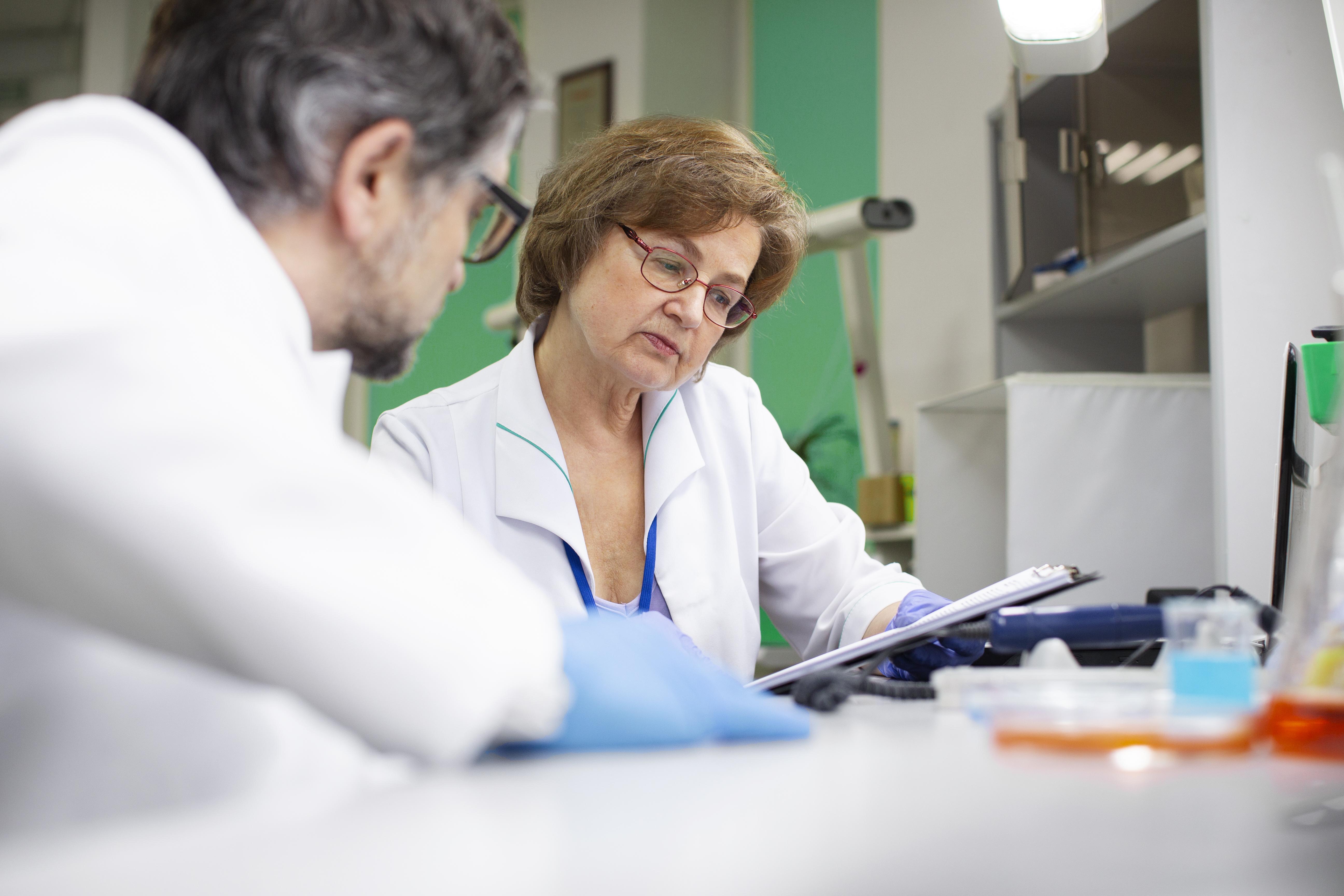
When applying for immigration based on family relationships, documents are everything. There should be clear evidence of how people are related in birth certificates, marriage records, and other official papers. However, in most instances, these records are lost, destroyed, or never existed at all. This may cause severe delays or even rejection of an application and leave families in suspense on what to expect next.
Under these circumstances, immigration DNA testing can be considered as a dependable alternative to authorities. It is particularly significant when the DNA testing requirements for immigration cannot be fulfilled with the help of traditional documents. The process aids in establishing biological relationships with a high degree of certainty to provide applicants with an additional opportunity to prove their side when the paperwork is not sufficient.
Why Documents May Not Be Enough?
Applicants have numerous reasons why they do not manage to provide proper documents. In certain nations, record-keeping systems are not in good condition, or there is a possibility that records have been lost because of conflict, natural disasters, or administrative problems. Otherwise, the names and dates in the documents can be non-identical, which can cast doubt on verification.
In cases where inconsistencies exist, immigration officers cannot afford to take claims at face value. They need to adhere to strict regulations to avoid fraud and ensure fairness. It is here that the need to satisfy the DNA testing requirements for immigration is of great importance. It provides a scientific approach to affirm relationships, minimizing doubt, and aiding authorities to make well-informed choices.
The Role of DNA Testing in Immigration Cases
DNA testing is not a first-line test, but it may be relevant when other evidence is wanting. It typically requires taking samples of the involved individuals, i.e., a parent and a child. This is followed by samples being tested in a certified lab to ascertain the presence of a biological relationship.
This step is stressful to many families, yet it tends to make sense. Results can be used to reinforce an otherwise weak application when these results confirm a relationship. This is the reason why it is necessary to know the DNA testing requirements for immigration. It makes sure that the test is properly performed and is embraced by the immigration officials without any complications.
What Happens If You Still Can’t Prove the Relationship?
A failure to submit documents, as well as the refusal to do a DNA test, or the failure to support the purported relationship by the results of the DNA test, can result in the rejection of the immigration application. This may be a difficult experience, particularly for the family that has been separated over a long period and is yearning to be reunited.
In some cases, applicants may have the option to appeal or provide additional evidence. Unless the DNA testing requirements for immigration are met, however, the success chances are normally diminished. Immigration policies are structured to be based on easily assessable evidence, and in its absence, there is a tendency to be conservative.
How to Prepare for DNA Testing?
It is significant to prepare in advance to prevent any delays and complications. The applicants are supposed to cooperate with recognized laboratories and adhere to any guidelines that are given by the immigration officers. This involves the appropriate identification of samples, the safe collection of samples, and a clear chain of custody to make the results valid.
In the course of the process, the results of immigration DNA testing are forwarded to the concerned authorities later, thus promoting transparency. Adhering to the requirements of the DNA testing procedure when applying to immigration, one will be able to avoid typical errors and increase the likelihood of success. Face DNA in Delaware would be the appropriate choice to get your DNA tests done with 99.9% accuracy of results.
Conclusion
The inability to demonstrate kinship can be overwhelming, yet it does not necessarily mean the end of the road. DNA testing and other modern solutions offer a good alternative in case of missing or unclear documents. The most important thing is to know how to do it and do it at the right time.
In challenging circumstances, families can make solid evidence by addressing the DNA testing requirements for immigration and implementing the methods that are trusted. The route might not be easy, but there might be a chance of reuniting with loved ones, hence it is worth it.
Categories
Read More
The China coated abrasives market is on a significant upward trajectory, projected to reach a value of approximately USD 1,820 million by 2035. This growth is underpinned by a robust compound annual growth rate (CAGR) of 6.29% from 2024 to 2035. The demand for coated abrasives is being propelled by advancements in manufacturing technology and the increasing application of these products in...

Introduzione: cosa scoprirai in questo approfondimento L’universo dei casino online stranieri non AAMS è diventato negli ultimi anni uno degli argomenti più discussi tra gli appassionati di intrattenimento digitale. L’interesse non nasce soltanto dalla varietà di giochi disponibili, ma anche dall’evoluzione tecnologica che ha reso queste...

The success of any surgical procedure begins long before you enter the treatment room. For those scheduling J Plasma for Thighs and Arms in Dubai, the preparation phase is dedicated to creating an internal environment that supports rapid healing and maximum collagen production. Because J Plasma relies on the body’s biological response to "shrink-wrap" the skin, your baseline health...

Large-Scale Capital in India: Complete Guide to Funding Business Expansion In today’s fast-growing and competitive economy, businesses need more than just working capital—they require Large-Scale Capital to expand operations, acquire assets, enter new markets, or restructure existing debt. Whether it’s infrastructure projects, manufacturing expansion, or corporate growth...

In the fast-paced social calendar of the UAE, there is often little time for long recovery periods following aesthetic treatments. Achieving an instant skin glow from a HydraCool Facial in Dubai has become the ultimate solution for those who need to look their best on short notice. At Tajmeels Clinic, we observe that patients are increasingly moving away from aggressive peels that cause...