

What to Expect During Your Skin Lesion Removal Procedure in Riyadh
What to Expect During Your Skin Lesion Removal Procedure in Riyadh
Skin Lesion Removal in Riyadh is a streamlined and highly professional process designed to prioritize patient comfort and clinical safety. As one of the most common dermatological procedures in the region, it has been refined to ensure that patients can undergo treatment with minimal anxiety and downtime. Whether you are visiting a clinic for a routine mole removal or the excision of a persistent cyst, knowing exactly what happens from the moment you enter the treatment room can help you feel prepared. In the capital’s advanced medical facilities, the procedure is typically performed in a dedicated outpatient suite, utilizing high-end technology and strict sterile protocols.
The Initial Preparation and Marking
Once you have completed your consultation and decided to proceed, the first step of the procedure involves preparing the site. The practitioner will start by cleansing the skin with a medical-grade antiseptic solution to eliminate any surface bacteria. Following this, a "surgical marking" phase often occurs. Using a specialized skin pen, the professional will carefully outline the borders of the lesion. This is particularly important for surgical excisions, as it ensures that the incision follows the natural tension lines of your skin, which is the secret to achieving a nearly invisible scar. This stage allows the patient to see exactly where the work will be done before the process begins.
Administering Local Anesthesia
For the vast majority of skin lesion removals, general anesthesia is unnecessary. Instead, a local anesthetic is used to numb only the specific area being treated. You can expect a very small, thin needle to be used for the injection. While you may feel a brief "pinch and sting" sensation for a few seconds, the area will quickly become heavy and numb. Within minutes, you will be unable to feel any sharp sensations, although you may still feel some light pressure or movement during the procedure. This approach allows you to remain fully awake and communicative with your practitioner throughout the process, ensuring a much faster recovery and allowing you to drive yourself home afterward.
The Removal Phase: Choosing the Right Modality
Depending on the type of lesion identified during your assessment, the practitioner will move forward with the chosen removal method. The experience varies slightly depending on the technology used:
-
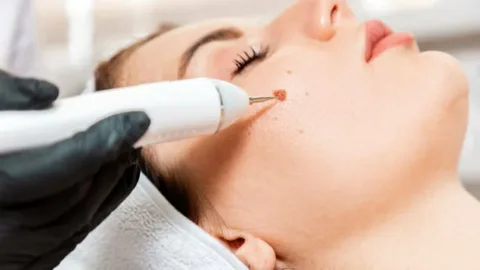
If using a Laser: You will be provided with protective eyewear to shield your eyes from the light beams. You may hear a slight clicking sound and notice a faint scent as the laser vaporizes the tissue. This process is usually very quick, often taking less than ten minutes.
-
If undergoing Shave Excision: The practitioner uses a small, sterile blade to gently sweep the lesion away until it is flush with the skin. This is a very common method for raised moles and is known for its excellent cosmetic results.
-
If undergoing Full Excision: The practitioner will carefully remove the growth and then use sutures (stitches) to close the site. In Riyadh’s premier clinics, "layered suturing" is often used, where deep stitches dissolve on their own and fine surface stitches are removed a week later to ensure the skin heals perfectly flat.
Immediate Post-Procedure Care
Immediately after the lesion is removed, the focus shifts to protecting the wound. If there was any minor bleeding, it is controlled using heat (electrocautery) or simple pressure. The area is then dressed with a sterile bandage and a layer of protective ointment. Your practitioner will explain the "wound care" instructions before you leave. In the local climate, these instructions almost always include a heavy emphasis on keeping the area shielded from the intense afternoon sun. You will likely be given a small kit or a list of recommended topical creams to help keep the skin hydrated as it begins the rapid process of regenerating new cells.
Post-Treatment Observation and Departure
Because the procedure is minimally invasive, there is no long "recovery room" stay required. Most patients are ready to leave within 15 to 20 minutes of the procedure ending. Before you depart, the clinical staff will ensure you feel comfortable and have no lingering questions. If a biopsy was taken, they will inform you of the expected timeline for receiving your results—usually within a few working days. This efficiency is a hallmark of the medical experience in the city, allowing you to address your skin concerns and return to your professional or personal schedule with minimal interruption. Understanding this step-by-step journey ensures that you can approach your skin health goals with confidence and peace of mind.
Categorie
Leggi tutto
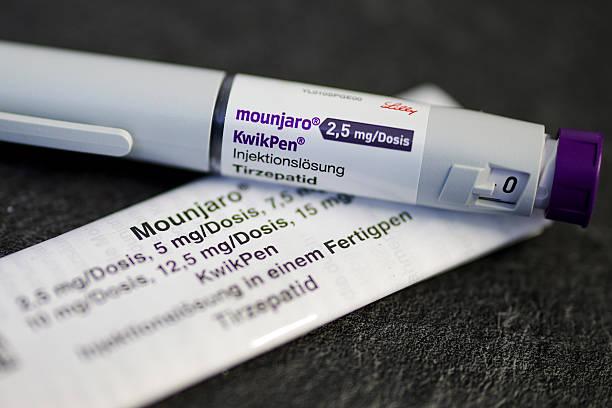
In the competitive sports culture of the UAE, athletes are constantly seeking the edge that balances peak performance with optimal body composition. For the modern competitor, Mounjaro in Dubai has introduced a sophisticated variable into the training equation. While primarily known for weight loss, this dual-action treatment offers unique metabolic advantages—and challenges—for...
Enterprise Mobility Management Industry Insights: The “Global Enterprise Mobility Management Market Professional Report 2025–2033” has been introduced by Straits Research to its research database. The report delivers a structured analysis covering market summary, product details, market size and share, value and volume metrics, segmentation, SWOT analysis, and key...

Executive Summary Bathroom Vanities Market Research: Share and Size Intelligence CAGR Value The Global Bathroom Vanities Market was valued at USD 43.34 Billion in 2024 and is projected to reach USD 76.15 Billion by 2032.During the forecast period from 2025 to 2032, the market is expected to grow at a CAGR of 7.3%, primarily driven by increasing residential construction, rising demand...
The Debit Card Market has been profoundly impacted by technology, transforming how consumers interact with their finances. From contactless payments to mobile wallets, technological advancements have revolutionized debit card usage and enhanced the overall consumer experience. One of the most significant technological innovations in the debit card space is contactless payment technology. This...

The global infertility treatment devices and equipment market is experiencing substantial growth due to the increasing prevalence of infertility among men and women, rising awareness regarding assisted reproductive technologies (ART), and continuous advancements in fertility treatment procedures. Infertility treatment devices and equipment play a critical role in procedures such as in vitro...