


Understanding the Anatomy of a Strong Jawline
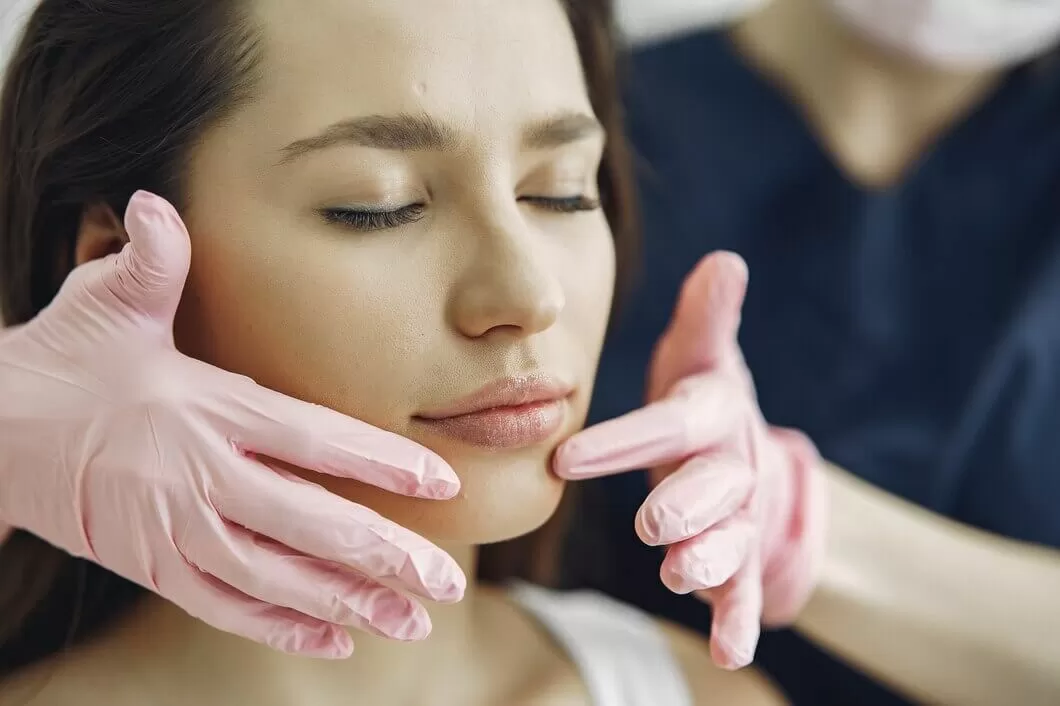
Understanding the Anatomy of a Strong Jawline
The human face is a complex interplay of various tissues, but the lower third is what arguably defines the structural character and perceived strength of an individual's appearance. Achieving a balanced and harmonious profile often starts with a deep appreciation for the underlying structures that create a crisp, well-defined border between the face and the neck. For those considering a Jawline Treatment in Riyadh, understanding this anatomy is the first step toward choosing the most effective enhancement. A strong jawline is not merely about a single bone or muscle; it is a symphony of skeletal projection, muscular volume, and skin elasticity working in unison. When these elements are in proportion, they create the "shadow" of definition that is universally recognized as a hallmark of youth, health, and confidence.
The Foundation: The Mandible and Mentalis
At the core of every defined profile is the mandible, or the jawbone. This is the largest and strongest bone in the human face, and its shape dictates the primary "architecture" of the lower face. The mandible consists of the horizontal body and the vertical ramus, which meet at the back of the face.
-
The Gonial Angle: This is the corner of the jaw located just below the ear. In a "strong" jawline, this angle is typically well-defined and sits at a specific degree that creates a clear separation from the neck.
-
The Symphysis (Chin): The front-most part of the mandible provides the projection of the chin. If the bone here is naturally recessed, the entire jawline can appear "weak," even if the rest of the bone is well-formed. This is why chin projection is often the primary focus of contouring treatments.
The Powerhouse: The Masseter Muscle
While the bone provides the frame, the muscles provide the volume and "heft" to the lower face. The masseter muscle is the most prominent muscle in this region, stretching from the cheekbone down to the outer corner of the jaw. It is one of the strongest muscles in the body relative to its size, responsible for the powerful action of chewing.
In many individuals, the masseter defines the width of the lower face. When this muscle is well-developed, it adds a "square" or "boxy" look to the jaw. However, excessive masseter bulk can sometimes hide the sharpness of the underlying bone, leading some to seek treatments that slim the muscle to reveal a more tapered, elegant line. Conversely, those with very thin masseter muscles may find that their jawline lacks the "pop" required for a truly chiseled appearance.
The Soft Tissue Envelope: Fat and Skin
The final layer that determines how a jawline appears to the world is the "soft tissue envelope," which includes the skin and the underlying fat pads. The relationship between the skin and the bone is what creates definition.
In a youthful or "strong" jawline, the skin is tightly "shrink-wrapped" around the mandible. There is a clear distinction between the jaw and the neck, with no sagging or "jowling." As we age, or due to genetic factors, the submental fat pad (the area under the chin) can become more prominent, or the skin can lose the elasticity provided by collagen and elastin. When this happens, the crisp "ledge" of the jaw is lost, and the face and neck appear to merge. This is why many modern treatments focus on either removing this excess fat or tightening the skin to allow the natural bone structure to be seen once again.
The Platysma and the Neck Transition
A strong jawline is also defined by what lies beneath it. The platysma is a thin, broad sheet of muscle that covers the front of the neck. When this muscle is toned and the skin over it is tight, it creates a sharp "cervicomental angle"—the 90-degree transition from the chin to the throat.
If the platysma begins to sag or separate, it can create "neck bands" or a "turkey neck" appearance, which immediately softens the look of the jaw. Maintaining the health and tension of the neck muscles and skin is just as important as treating the jaw itself. A beautiful profile requires a clear, unobstructed path from the tip of the chin to the base of the ear, free from redundant skin or sagging tissue.
Achieving Anatomical Harmony
Ultimately, a strong jawline is about the ratio between these components. A massive jawbone can be hidden by heavy skin, just as a perfectly lean neck cannot compensate for a severely recessed chin. Modern aesthetic treatments work by identifying which of these anatomical layers is out of balance.
By using fillers to support the bone, neuromodulators to manage the muscles, or energy-based devices to tighten the skin, it is possible to reconstruct the "ideal" anatomy for any face. Understanding that your jawline is a multi-layered structure allows you to move beyond superficial fixes and toward a holistic enhancement that respects your natural anatomy while providing the definition and strength you desire.
Kategoriler
Read More
Introduction Chemical Peels in Dubai (التقشير الكيميائي في دبي) are a highly effective skin renewal treatment designed to refresh dull, tired, and damaged skin. Over time, environmental exposure, aging, and lifestyle factors slow down the natural skin regeneration process. Chemical peels help restart this cycle by removing dead skin layers and encouraging fresh cell growth. What Is Skin...
Entering the building and construction industry as a professional requires a clear understanding of the academic and legal landscape. If you are asking, "What qualifications do I need to be a draftsman in Australia?" you are looking at a career that balances creative flair with technical rigidity. In 2026, the demand for high-quality drafting services has reached an all-time high, driven by a...

In the high-performance world of professional athletics and elite fitness, the ability to bounce back is just as important as the workout itself. Traditional recovery methods often fall short when the body is pushed to its absolute limit, leading many to explore Peptide therapy in Dubai as a scientific solution for accelerated healing. By targeting the specific biological pathways responsible...

Se sei un appassionato di gioco d'azzardo e vuoi sperimentare il fascino dei casino online, è importante sapere che i migliori risultano essere quelli non soggetti all'AAMS, ovvero Autorità per le Amministrazioni e i Servizi Dei Giuochi D'Azzardo. In questo articolo, ci concentreremo sui principali vantaggi di scegliere un casino non AAMS, facendo anche una breve descrizione...

Psychologia gracza: jak emocje i zachowania wpływają na decyzje dotyczące gier w kasynach online w 2025 roku Wraz z rosnącą popularnością gier w kasynach online, zrozumienie psychologii gracza stało się kluczowe zarówno dla operatorów, jak i dla samych graczy. W 2025 roku, gdy technologia doszła do nieznanych wcześniej poziomów zaawansowania, a sama rozrywka online zyskała...