

Healing complications after mole removal in Riyadh
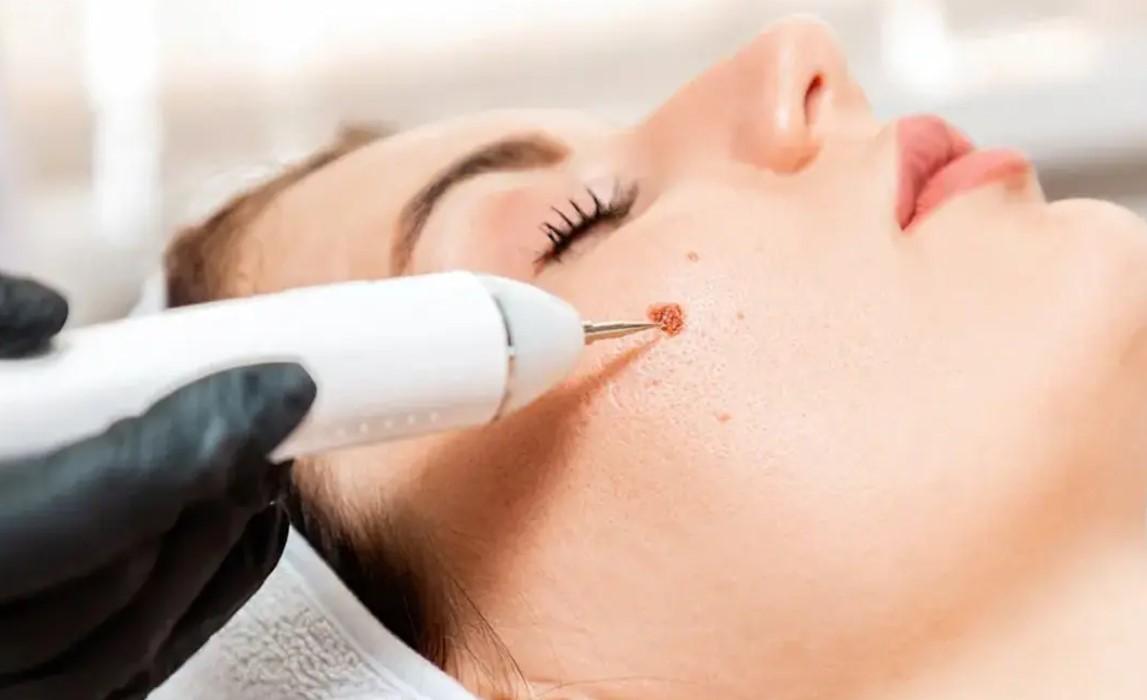
Healing Complications After Mole Removal in Riyadh
Mole removal in Riyadh is generally safe and widely performed using modern dermatological techniques such as laser, radiofrequency, shave excision, and surgical removal. However, like any skin procedure, the healing process does not always go perfectly. Some patients may experience complications during recovery depending on the removal method, skin type, aftercare, and environmental factors such as strong sun exposure. Mole Removal in Riyadh is a common cosmetic and medical procedure used to safely remove unwanted or suspicious skin moles with modern dermatological techniques.
Understanding possible healing complications helps patients recognize early warning signs and manage recovery more effectively.
1. Infection at the Treatment Site
One of the most important healing complications after mole removal is infection, although it is relatively uncommon in properly managed clinics in Riyadh.
Causes:
- Touching the wound with unclean hands
- Poor wound hygiene
- Not following aftercare instructions
- Excess moisture or contamination
Symptoms:
- Increasing redness around the area
- Pain that worsens instead of improving
- Pus or yellow discharge
- Warmth and swelling
Impact:
Infection can delay healing and increase the risk of scarring.
2. Delayed Wound Healing
Some patients experience slower-than-normal healing after mole removal.
Why it happens:
- Large or deep moles
- Surgical excision requiring stitches
- Individual healing differences
- Underlying health conditions such as diabetes
- Poor aftercare or sun exposure
What it looks like:
- Wound remains open longer than expected
- Scab does not fall off naturally
- Persistent redness or sensitivity
In Riyadh, dermatologists often stress proper wound care due to climate-related dryness and sun exposure.
3. Scarring and Abnormal Scar Formation
Scarring is one of the most common cosmetic concerns after mole removal.
Types of scars:
- Flat scars: Usually fade over time
- Hyperpigmented scars: Dark marks due to excess melanin
- Hypertrophic scars: Raised but limited to wound area
- Keloid scars: Thick, raised scars extending beyond the original site (less common)
Risk factors:
- Genetic tendency toward keloids
- Deep surgical removal
- Infection during healing
- Poor aftercare or sun exposure
In Riyadh dermatology clinics, scar prevention strategies are often part of post-treatment care plans.
4. Pigmentation Changes (Dark or Light Marks)
Pigmentation issues are especially common in regions with strong sunlight exposure like Riyadh.
Hyperpigmentation (dark spots):
- Most common after laser or RF treatment
- Caused by increased melanin production during healing
- More noticeable in medium to darker skin tones
Hypopigmentation (light spots):
- Skin becomes lighter than surrounding area
- Occurs when pigment cells are damaged
Duration:
These changes may last weeks to months and sometimes require cosmetic treatment.
5. Mole Recurrence
In some cases, the mole may partially return after removal.
Why it happens:
- Incomplete removal of deeper mole cells
- Laser treatment used on deeper pigmented moles
- Shave excision leaving residual cells
Signs:
- Small dark spot reappearing at the same location
- Gradual pigmentation return over time
Surgical excision has the lowest recurrence rate because it removes the entire lesion.
6. Excessive Redness and Inflammation
Some redness is normal after mole removal, but prolonged or excessive redness can indicate complications.
Causes:
- Strong inflammatory response
- Infection or irritation
- Sun exposure during healing
What to expect:
- Mild redness: normal for a few days to weeks
- Persistent redness: may require medical evaluation
7. Pain and Sensitivity Beyond Normal Healing
Mild discomfort is expected after mole removal, but prolonged pain may indicate an issue.
Possible reasons:
- Infection
- Deep tissue involvement
- Nerve irritation (rare)
- Poor wound healing
Normal vs abnormal:
- Normal: mild soreness for 1–3 days
- Abnormal: worsening pain over time
8. Scab Problems and Wound Disruption
Scab formation is part of normal healing, but complications can occur if disturbed.
Issues include:
- Premature scab removal (picking or scratching)
- Thick or uneven scab formation
- Bleeding from wound reopening
Consequences:
- Increased scarring risk
- Delayed healing
- Pigmentation changes
9. Allergic Reactions
Although rare, some patients may react to materials used during or after the procedure.
Possible triggers:
- Local anesthesia
- Antibiotic creams
- Adhesive dressings
Symptoms:
- Itching or rash around treatment area
- Swelling not related to normal healing
- Skin irritation or redness spreading beyond wound
10. Uneven Skin Texture
After healing, some patients may notice changes in skin texture.
Possible outcomes:
- Slight indentation or depression
- Raised healing tissue
- Rough or uneven surface
Causes:
- Depth of mole removal
- Healing response differences
- Natural collagen formation variations
These effects may improve gradually over time.
11. Sun-Related Healing Complications in Riyadh
Sun exposure is a major factor affecting healing outcomes in Riyadh.
Problems caused by UV exposure:
- Darkening of healing skin
- Increased pigmentation (post-inflammatory hyperpigmentation)
- Slower wound recovery
- Higher risk of visible scarring
Why it matters:
Freshly treated skin is highly sensitive, and UV rays can significantly alter cosmetic results.
How to Reduce Healing Complications
Patients can minimize risks by following proper care:
Follow dermatologist instructions
Use prescribed creams and cleaning routines exactly as directed.
Avoid sun exposure
Use protection and avoid direct sunlight during early healing stages.
Do not pick scabs
Allow natural healing to prevent scarring.
Keep the area clean
Reduces infection risk and supports faster recovery.
Attend follow-ups
Ensures early detection and management of complications.
When to Seek Medical Help
Patients should consult a dermatologist in Riyadh if they notice:
- Increasing pain or swelling
- Pus or signs of infection
- Delayed healing beyond expected time
- Unusual scar formation
- Mole regrowth or persistent pigmentation
Early treatment helps prevent long-term skin damage.
Conclusion
Healing complications after mole removal in Riyadh are generally uncommon but can include infection, scarring, pigmentation changes, delayed healing, and mole recurrence. Most of these issues are preventable with proper technique selection, skilled dermatological care, and strict aftercare—especially sun protection, which is crucial in Riyadh’s climate.
Categorii
Citeste mai mult
Introduction Laser Hair Removal in Dubai is known for delivering long-lasting hair reduction, but understanding realistic results and expectations is essential before starting the treatment. Many individuals expect instant outcomes, while in reality, the process is gradual and requires consistency. This guide explains what you can expect at each stage of the treatment and how results develop...
Introduction Digestive health plays a vital role in overall well-being, influencing everything from metabolism to immunity. If you’re experiencing issues like acidity, abdominal pain, or liver problems, consulting a qualified gastroenterologist is essential. In Navi Mumbai, Terna Speciality Hospital & Research Centre stands out as a trusted healthcare destination offering advanced...
The global food industry is witnessing rapid transformation due to changing consumer preferences, increasing demand for convenient meal solutions, and rising interest in flavorful salad dressings and condiments. Among these, the Global Simple Island Dressings Market is emerging as a significant segment within the broader food dressing industry. Consumers are increasingly opting for premium and...

A fancy text generator might sound like a trivial internet toy at first glance, but it sits at the intersection of creativity, identity, and digital communication in a surprisingly meaningful way. Whether you're customizing a social media bio, designing a logo, or just trying to make your messages stand out, these tools have become a subtle yet powerful part of online expression. What Is a...
In the world of construction and insurance claims, accuracy and speed are essential. Xactimate estimating services have become a standard solution for creating detailed and reliable cost estimates. With Paradise Estimating Services, contractors, adjusters, and property owners can benefit from expert Xactimate-based estimating that ensures precision and efficiency. What Are Xactimate Estimating...