Sale & Leaseback Improve Liquidity with Land Assets
Sale and Leaseback Using Land Assets to Improve Liquidity
For decades, land in India has been viewed as a passive asset or a reserve for future generations, providing long-term security but being non-liquid. However, in today’s increasingly capital-constrained environments, the perspective is shifting: land has become a core balance-sheet lever, essential for businesses adopting asset-light strategies to fuel growth, repay debt, or manage their capital structure. Companies are placing greater importance on these strategies, as seen in regional dominance: Delhi-NCR leads with 21% of total absorption in the core market, followed by Mumbai and Pune at 15% each.
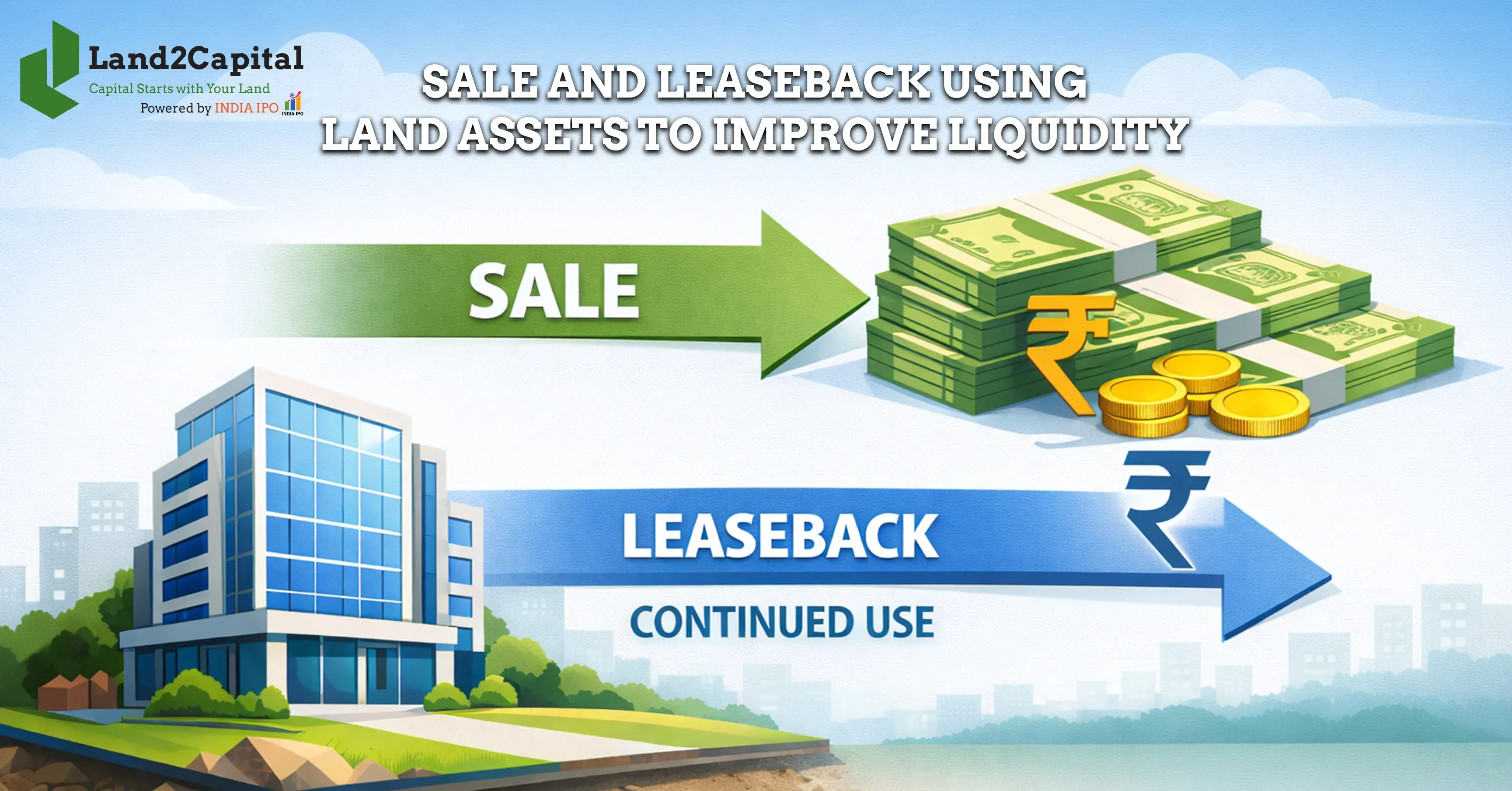
In simple terms, a sale and leaseback using land means you sell your land asset to an investor or buyer and then lease it back from them to continue your business in the same location without disrupting your operations or losing operational control, thereby improving liquidity from the land. This method of land monetisation through sale and leaseback allows you to unlock liquidity from land without losing operational control, ensuring your business stays rooted exactly where it needs to be.
This strategy is becoming an increasingly adopted strategy for asset-heavy sectors, as India’s Industrial & Logistics (I&L) sector hit a massive milestone in 2025 with 83.3 million sq. ft. of gross leasing, the highest ever recorded. It is particularly relevant for manufacturing companies, as it increases their market share from 16% to 27% in 2025, with sprawling footprints, logistics and roughly 40% of total warehouse absorption; retail chains with prime locations and infrastructure; or industrial businesses looking to recycle capital back into their core operations.
Understanding Sale and Leaseback: The Basics
What Is a Sale and Leaseback Transaction?
A sale and leaseback is a specialised financial strategy where an owner-occupier sells their land or real estate to an institutional investor and simultaneously leases it back on a long-term basis and the seller-lessee retains full operational control, ensuring no disruption to day-to-day operations despite losing legal ownership.
But it includes some types or variants that are important to understand, which are the following:
- Outright land sale: An outright land sale is a complete transaction where full ownership, title and property rights are permanently transferred to a buyer in exchange for payment.
- Mortgage or loan against land: A mortgage or loan against land is a financial agreement in which a property owner pledges their land as collateral to secure borrowed capital from a lender.
- Sale and leaseback structure: It can unlock close to full market value, subject to yield and lease terms, without increasing the company's debt-to-equity ratio. It effectively converts a "brick-and-mortar" asset into immediate working capital.
Turning Idle Land into Growth Capital
The shift from a traditional ownership mindset to a strategic utility model is redefining corporate finance. As we have explored, a sale and leaseback is the most effective way for organisations to unlock liquidity from land without selling permanently, ensuring that mission-critical operations remain undisturbed while the balance sheet is revitalised. By converting a static, non-earning asset into immediate cash, businesses can transition from being "asset-heavy" to "growth-ready."
However, the transition requires more than just a willing buyer. Success in this market depends on a disciplined capital-allocation strategy in which proceeds are deployed into high-yield core operations rather than short-term fixes. It demands long-term planning to manage lease obligations and correct structuring to protect future buyback rights. Given the legal and tax complexities involved, the importance of professional advice cannot be overstated; expert guidance ensures that the valuation is fair and the risks are mitigated.
Ultimately, the takeaway for modern leadership is clear: Land is no longer just a mark of ownership, it is a powerful tool for financial leverage. When structured right, the very ground your business stands on can become the engine that drives its future expansion.
Read More Visit us : https://www.land2capital.com/blog/sale-and-leaseback
الأقسام
إقرأ المزيد
The Wellhead System market report is intended to function as a supportive means to assess the global Wellhead System market along with the complete analysis and clear-cut statistics related to this market. In other words, the report would provide an up-to-date study of the market in terms of its latest trends, present scenario, and the overall market situation. Further, it will also...
One of the most common questions patients ask before starting their journey to clear skin is how much time they will need to take away from their professional and social obligations. Understanding the tattoo removal using Picosure device in Dubai recovery time is essential for anyone with a busy lifestyle. Traditional lasers often result in weeks of scabbing, blistering, and "weeping" wounds...

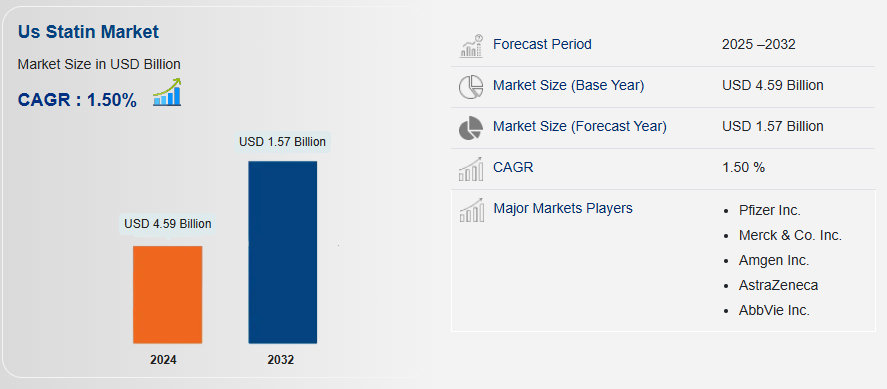
Executive Summary U.S. Statin Market Size and Share: Global Industry Snapshot CAGR Value The U.S. statin market size was valued at USD 4.59 billion in 2024 and is expected to reach USD 1.57 billion by 2032, at a CAGR of 1.50% during the forecast period Each of the topics covered in the U.S. Statin report is studied very well to get a clear idea about all the factors that are...
Innovation continues to play a pivotal role in the evolution of the external blinds market. The emergence of motorized outdoor blinds market is transforming how consumers interact with shading systems, making them more convenient and efficient. Motorized external blinds are designed to offer seamless operation through remote controls, mobile apps, or integrated smart home systems. This...

The global biodegradable paper packaging materials market is on a steady and promising growth trajectory. According to a detailed market report by The Insight Partners, the market is anticipated to expand at a CAGR of 7% from 2026 to 2034. This growth is being fueled by a confluence of environmental awareness, regulatory pressures, and evolving consumer preferences — all pointing toward a...