


Sports Homework Guide Tips Benefits Success Explained

Sports Homework Guide: Tips, Benefits, Success Explained
Sports homework has become an increasingly important part of modern education systems that aim to balance academic learning with physical development. As schools worldwide emphasize holistic student growth, assignments related to physical activity, sports practice, and health awareness are now commonly integrated into curricula. These tasks are not simply about playing games; they are structured learning activities designed to improve fitness, discipline, teamwork, and cognitive development.
In many educational environments, sports homework may include practicing drills, maintaining activity logs, learning rules of games, or reflecting on physical performance. This approach reflects a broader understanding that physical education is closely linked to academic success and long-term well-being.
Understanding Sports Homework and Its Role in Education
Sports homework refers to structured physical or theory-based assignments that extend physical education beyond school hours. It is designed to reinforce lessons taught during physical education classes and encourage students to remain active in their daily lives. Unlike traditional academic homework, sports homework emphasizes movement, reflection, and habit-building rather than written memorization.
The Educational Purpose Behind Sports Assignments
The primary goal of sports homework is to help students develop lifelong fitness habits. According to global health perspectives shared by the World Health Organization, regular physical activity plays a crucial role in preventing lifestyle-related diseases and improving mental health. Schools incorporate sports homework to ensure students meet recommended activity levels while learning the value of consistency and discipline.
In addition, educational frameworks such as UNESCO’s Quality Physical Education guidelines highlight the importance of structured physical learning experiences in developing cognitive and social skills. Sports homework supports these goals by encouraging students to apply classroom learning in real-life physical contexts.
Bridging Theory and Practice in Physical Education
Sports homework helps bridge the gap between theoretical knowledge and practical application. For example, students may learn the rules of basketball in class and then practice dribbling or passing techniques at home. This reinforcement improves skill retention and builds confidence in physical abilities. It also encourages independent learning, as students take responsibility for their own physical progress.
Benefits of Sports Homework for Students
Sports homework provides a wide range of benefits that extend beyond physical fitness. It contributes to emotional balance, academic improvement, and the development of essential life skills. Schools that integrate regular physical assignments often observe improvements in student engagement and classroom behavior.
Physical and Mental Health Improvements
One of the most significant benefits of sports homework is improved physical health. Regular movement helps students maintain healthy body weight, strengthen muscles, and improve cardiovascular endurance. These benefits are supported by research from the Centers for Disease Control and Prevention, which emphasizes the importance of daily physical activity for children and adolescents.
Mentally, sports homework reduces stress and anxiety. Physical activity stimulates the release of endorphins, which improve mood and help students manage academic pressure more effectively. This connection between physical movement and mental well-being is widely recognized in educational psychology.
Academic Performance and Cognitive Development
Sports homework also has a positive impact on academic performance. Studies have shown that physically active students often perform better in subjects such as mathematics and language arts. This is because physical activity improves concentration, memory, and problem-solving skills.
Regular exercise increases blood flow to the brain, which supports cognitive development. As a result, students who consistently complete sports homework are more likely to demonstrate improved focus during classroom learning.
Building Discipline and Social Skills
Beyond health and academics, sports homework fosters discipline and responsibility. Students learn to manage their time, set goals, and track progress. These habits are essential for success in both academic and personal life.
Sports activities also encourage teamwork and communication, especially when assignments involve group tasks or family participation. These experiences help students develop empathy, cooperation, and leadership skills.
Learn more about structured physical education support through Sports Homework Help
Effective Strategies for Completing Sports Homework
Successfully completing sports homework requires consistency, planning, and motivation. Unlike traditional assignments, it depends heavily on physical effort and self-discipline. Students who adopt structured approaches tend to benefit more from these tasks.
Creating a Balanced Routine
A balanced routine is essential for managing sports homework effectively. Students should allocate specific time slots for physical activity alongside academic study. This ensures that neither area is neglected. Consistency is more important than intensity, especially for younger students who are still developing fitness habits.
Safe and Effective Practice Methods
Safety is a key consideration in sports homework. Proper warm-up and cool-down exercises help prevent injuries. Students should also ensure they perform activities in safe environments, such as open spaces or supervised areas. Schools often provide guidance on correct techniques to minimize risks and improve performance.
Tracking Progress and Self-Reflection
Keeping track of progress helps students stay motivated. Simple reflection exercises, such as noting improvements in stamina or skill level, can make sports homework more meaningful. This reflective practice encourages goal setting and long-term personal development.
Challenges and How to Overcome Them
Despite its benefits, sports homework can present certain challenges. These may include lack of motivation, limited space for exercise, or difficulty balancing academic workload with physical activity.
Motivation and Engagement Issues
Some students may struggle to stay motivated, especially if they do not enjoy physical activity. Teachers and parents can help by introducing variety in exercises and encouraging participation in different sports. Making activities fun and interactive increases engagement and long-term adherence.
Limited Access to Facilities
Not all students have access to sports facilities or open spaces. In such cases, bodyweight exercises, stretching routines, and indoor activities can serve as effective alternatives. Schools can support students by offering adaptable homework options that do not require specialized equipment.
Preventing Fatigue and Injuries
Overexertion can lead to fatigue or injury if students do not follow proper guidelines. Education on safe exercise practices is essential. Rest and recovery should also be considered an important part of any physical routine.
Evidence from Research and Educational Frameworks
The value of sports homework is strongly supported by global research and educational policies. The World Health Organization recommends that children and adolescents engage in at least 60 minutes of moderate to vigorous physical activity daily. Sports homework helps achieve this target by extending activity beyond school hours.
UNESCO’s guidelines on physical education emphasize the importance of structured physical learning in developing not only physical health but also emotional and social well-being. These frameworks highlight that physical education is not an optional addition but a core component of quality education systems.
In addition, research published in academic journals on education and health consistently shows a positive correlation between physical activity and improved academic performance. This reinforces the idea that sports homework is not a distraction from learning but an essential contributor to it.
Conclusion
Sports homework plays a vital role in modern education by connecting physical activity with academic and personal development. It encourages students to build healthy habits, improve cognitive abilities, and develop important life skills such as discipline and teamwork. Supported by global health organizations and educational frameworks, it stands as a valuable tool for holistic student growth.
While challenges exist, they can be effectively managed through proper guidance, adaptability, and encouragement. Ultimately, sports homework is not just about exercise; it is about shaping healthier, more focused, and more capable learners for the future.
Categorías
Read More
Çatı penceresi çatı katlarının doğal ışık ve temiz hava ile buluşmasını sağlayan, yaşam alanlarını daha ferah ve kullanışlı hale getiren önemli bir yapı elemanıdır. Özellikle çatı arası, loft daireler, dubleks evler ve eğimli çatılara sahip yapılarda tercih edilen çatı pencereleri, kapalı ve karanlık alanların aydınlık bir mekana...

True skin transformation requires more than just a change in surface brightness; it requires a structural overhaul of the dermal layers. To Transform Your Skin with Morpheus 8 Treatment in Dubai Now, patients must utilize technology that bridges the gap between topical facials and surgical intervention. At Tajmeels Clinic, we observe that the unique environmental challenges of the...

Live music lovers were treated to an unforgettable evening as GJ Donovan took the stage at the vibrant Canterbury League Club. Known for his smooth vocals and exceptional guitar skills, GJ Donovan delivered a captivating performance that resonated with audiences of all ages. A Night of Classic Hits and Timeless Music GJ Donovan live at Canterbury league club is widely recognized for...

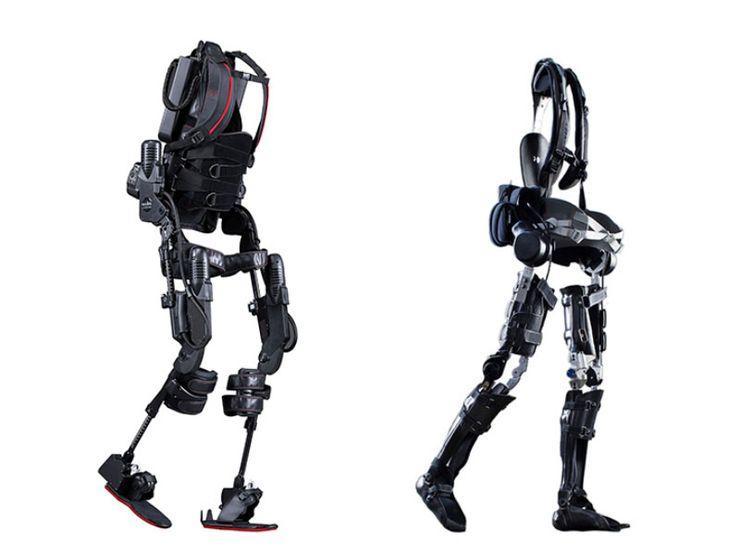
The Smart Exoskeleton Market Share is witnessing significant growth as industries and healthcare providers increasingly adopt wearable robotics to enhance human capabilities. Smart exoskeletons, which include robotic support suits and human-assist robotic suits, are revolutionizing sectors like rehabilitation, manufacturing, and military applications. These devices...
Executive Summary North America Vegetables and Fruits Market Size and Share Forecast CAGR Value The North America vegetables and fruits market size was valued at USD 145.05 billion in 2024 and is expected to reach USD 272.49billion by 2032, at a CAGR of 3.90% during the forecast period This North America Vegetables and Fruits Market Research Report also conducts analysis on...