

How Do You Remove Risk From Alimony and Child Support Payments?

Alimony and child support are meant to provide financial stability after divorce. They are carefully calculated, legally enforced, and designed to support daily living, housing, education, and long-term security. But despite all this structure, one critical issue remains—these payments are not risk-free.
In fact, they are highly dependent on future events that no one can fully control.
So how do you remove risk from alimony and child support payments? The answer lies in shifting from reliance on people to reliance on structured financial protection.
Understanding the Real Risk Behind Support Payments
At their core, alimony and child support depend on one thing: the paying spouse’s ability to continue earning income. If that ability changes, the payments can change—or stop entirely.
Common risks include:
- Death of the paying ex-spouse
- Disability or serious illness
- Job loss or income instability
- Non-compliance or missed payments
Even though courts can enforce obligations, they cannot enforce income that no longer exists. This means that in many real-world situations, the receiving spouse carries more risk than expected.
Why Legal Agreements Alone Don’t Eliminate Risk
A divorce settlement is a legal framework, not a financial guarantee. It defines what should happen, but it does not ensure that payments will always be made.
For example:
- If your ex-spouse passes away, payments typically stop
- If they become disabled, they may request reduced obligations
- If their financial situation changes, enforcement can take time
During these disruptions, your expenses continue. Housing costs, childcare, education, and daily living needs do not pause just because payments are delayed or reduced.
To truly remove risk, you need to go beyond legal agreements.
Step One: Replace Dependency With Financial Backing
The most effective way to remove risk is to replace dependency on future payments with financial protection that guarantees income continuity.
This is where insurance-based strategies come into play.
Life Insurance: Eliminating the Risk of Sudden Loss
Life insurance directly addresses the most severe risk—the death of the paying spouse.
Without protection, all future payments stop immediately. But with a properly structured policy, a lump-sum payout replaces the remaining financial obligations.
This payout can cover:
- Remaining alimony payments
- Full child support duration
- Educational and healthcare expenses
- Long-term financial needs
The key is ensuring the policy is aligned with the total value of expected payments. When done correctly, life insurance removes the uncertainty tied to future income.
Step Two: Protect Income During Disability
While death is a major concern, disability is often a more likely scenario during working years.
If your ex-spouse becomes unable to work due to illness or injury, their income may drop significantly. In many cases, they can request a reduction or suspension of support payments.
This creates a gap that legal enforcement alone cannot fix.
Disability insurance fills this gap by providing income replacement. It ensures that financial obligations can continue even when earning capacity is reduced.
Despite its importance, disability coverage is frequently overlooked in divorce planning, leaving a major source of risk unaddressed.
Step Three: Secure Control Over the Protection
Even when insurance is in place, risk still exists if the structure is weak.
One of the most common issues is lack of control. If the paying spouse owns the policy, they may:
- Cancel it
- Reduce coverage
- Stop paying premiums
These actions can remove protection without notice.
To eliminate this risk, the divorce agreement should clearly define:
- Policy ownership
- Beneficiary designation
- Irrevocable rights where appropriate
- Requirements for proof of active coverage
Control ensures that protection remains intact and enforceable over time.
Step Four: Accurately Calculate Financial Exposure
Removing risk requires understanding exactly what you are protecting.
This includes:
- Total alimony payments over the agreed term
- Child support for each child until completion
- Additional costs such as education, childcare, and healthcare
- Shared obligations like mortgages or debts
By calculating the full financial picture, you can structure protection that fully replaces lost income if payments stop.
Incomplete calculations lead to gaps, which reintroduce risk.
Step Five: Plan During the Divorce Process—Not After
Timing plays a critical role in risk removal.
The best opportunity to secure protection is during the divorce itself. At this stage, both parties are negotiating terms, making it easier to:
- Include insurance requirements
- Define ownership and control
- Ensure compliance with court expectations
After the divorce is finalized, making changes becomes more complicated and less effective.
Early planning transforms risk management from a reactive step into a proactive strategy.
What If Insurance Isn’t an Option?
In some cases, insurance may not be available due to health, age, or financial constraints. When that happens, alternative approaches can help reduce risk.
These may include:
- Negotiating a larger share of assets upfront
- Restructuring support payments
- Creating income through financial instruments
- Building additional financial reserves
While these options may not fully eliminate risk, they can significantly reduce dependence on uncertain future payments.
Creating a Risk-Free Mindset
Removing risk from alimony and child support is not about eliminating uncertainty entirely—it is about managing it intelligently.
A strong strategy combines:
- Legal agreements for structure
- Insurance for protection
- Financial planning for long-term stability
This layered approach ensures that your income is not tied to a single point of failure.
If you want to explore how to properly structure protection and reduce financial risk after divorce, you can learn more at Hello Monthly Income, where the focus is on safeguarding and creating income in divorce situations.
Final Thoughts
Alimony and child support are designed to provide security, but without proper planning, they can carry hidden risks.
By integrating life insurance, disability coverage, and strong policy control into your divorce strategy, you can transform uncertain payments into a reliable financial foundation.
Because removing risk isn’t about hoping nothing goes wrong—it’s about making sure you’re protected when it does.
Categorias
Leia mais
Imagine waking up to thicker, fuller hair that turns heads—then watching it fade away. That's the fear many face with hair restoration options. PRP Hair Treatment in Riyadh offers a promising, natural path to hair revival, but the burning question remains: how durable are the results? prp treatment in riyadh price the science, real-world outcomes, and factors influencing...

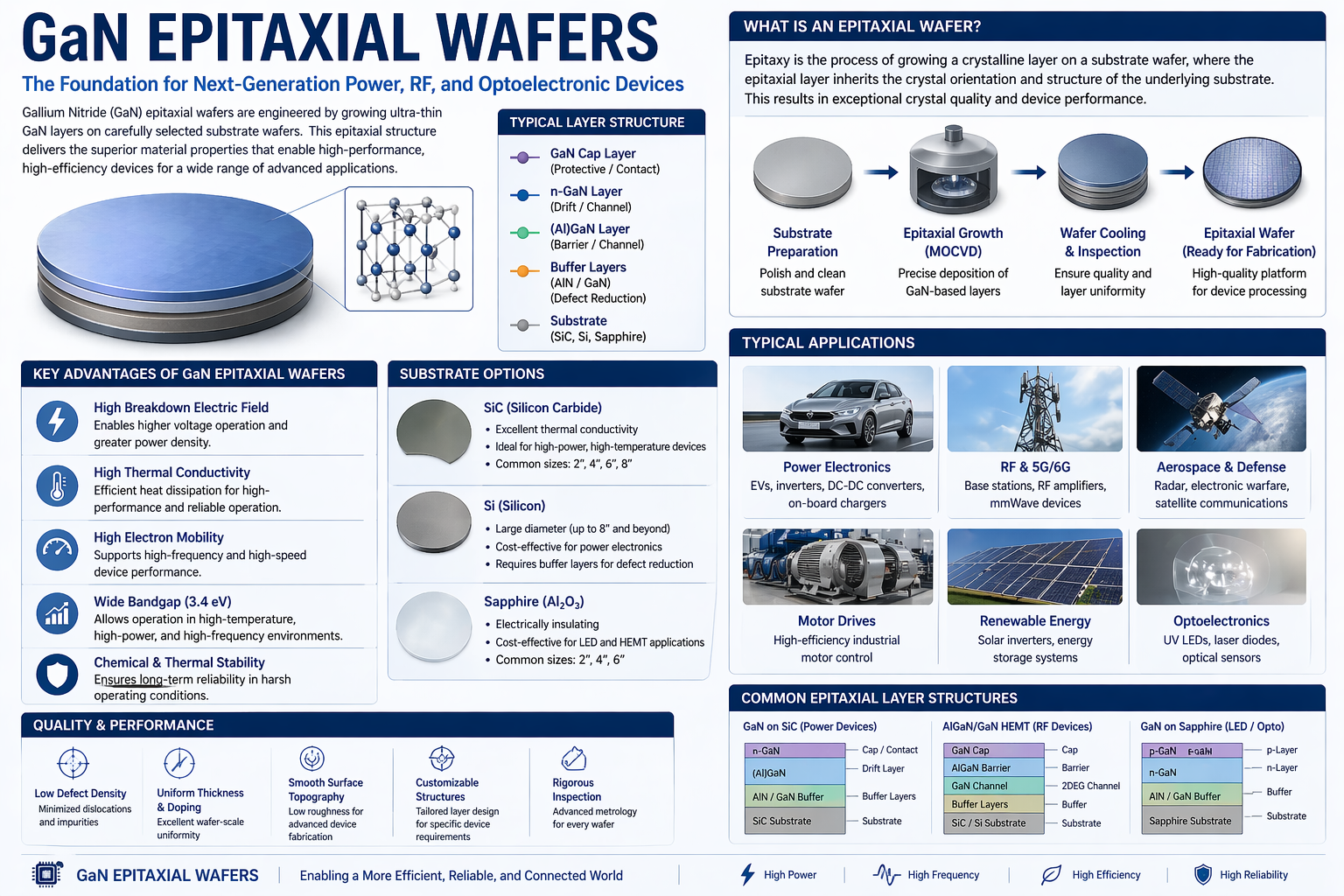
Gallium nitride epitaxial wafers are poised to revolutionize the semiconductor landscape, projected to soar to a market size of USD 5.237 billion by 2035, with a robust compound annual growth rate (CAGR) of 14.78%. This surge can be attributed to the increasing demand for power electronics wafers and LED epitaxy wafers. The potential of wide bandgap materials in enhancing efficiency across...
Pune, India – April 22, 2026 — The global fermented plant-based alternatives market is witnessing steady expansion, fueled by shifting dietary preferences, increasing adoption of vegan and flexitarian lifestyles, and growing demand for sustainable and functional food options. According to the latest market analysis, the market was valued at USD 380.01 million in 2024 and is...

When it comes to enhancing the safety, privacy, and visual appeal of your property, choosing the right gates and fencing solutions plays a crucial role. Whether for residential, commercial, or industrial spaces, modern fencing options combine durability, style, and affordability to meet diverse needs. This guide explores everything you need to know about selecting the best gates and fences...
The Next Generation Integrated Circuit Market faces a variety of challenges that could hinder its growth and development. This article explores some of the key obstacles that manufacturers and stakeholders must navigate to succeed in this competitive landscape. One of the most pressing challenges is supply chain disruptions, which have become increasingly common in recent years. Global events,...