


How Do Retail Sales Strategies Influence Customer Behavior?

Retail stores succeed when they understand what makes people spend money on products. Retail sales strategies shape how customers think and act during every shopping visit. Store owners who learn buyer habits can design better shopping experiences for people. Small changes in how products are displayed can push sales numbers up significantly. Pricing decisions affect whether people buy one item or fill their entire carts. Customer service quality decides if someone returns next week or never comes back. Learning what drives purchases helps stores grow faster than competitors who ignore these facts.
Does Store Layout Push Customers To Spend More Time Shopping Inside?
Stores designed with clear paths guide customers past more products than they planned seeing. Retail sales strategies often include placing popular items deep inside stores on purpose. When customers walk further they notice other products and add them to their carts. Grocery stores put milk and bread at the back corners for exactly this proven reason. Shoppers who spend more time in stores typically spend more money before leaving today. End cap displays near checkout lines catch the attention of people waiting to pay. Layout decisions directly control how much money average customers spend per store visit.
Can Product Placement At Eye Level Increase Sales Of Specific Items?
Items sitting at eye level always sell faster than products placed on lower shelves. Retail sales strategies use shelf positioning to push certain products over competing ones nearby. Stores charge companies extra money to place products at eye level on shelves. Children's products get placed at kid eye level so young shoppers notice them first. Premium products earn better shelf positions because stores profit more from selling them. Moving slow selling items to eye level often fixes poor sales performance quickly. Shelf position is one of cheapest ways stores increase sales without spending advertising money.
Why Do Limited Time Offers Make People Buy Things They Did Not Plan?
Countdown timers and sale signs create urgency that pushes people toward quick purchase decisions. When customers fear missing deals they stop thinking and start putting items in carts. Retail sales strategies that create urgency bypass careful thinking that slows purchases down. Flash sales lasting only a few hours generate more revenue than week-long regular discounts. People tell friends about limited offers which bring new customers to stores fast. Announcing sales through text messages reaches customers who might not have planned visiting today. Urgency based strategies work across all retail categories from clothing to electronics equally.
Can Loyalty Programs Turn One Time Shoppers Into Regular Returning Customers?
Points systems reward customers for returning which makes switching to competitors feel costly. Retail sales strategies built around loyalty create real connections between buyers and stores daily. Members of loyalty programs spend on average 67 percent more than non members do. Exclusive member discounts make customers feel valued and appreciated by stores they visit. Birthday rewards bring customers into stores during months they might otherwise skip completely. Tracking purchase history lets stores send personal offers that match individual buyer interests. Loyalty programs cost money to run but return far more through increased customer spending.
Does Customer Service Quality Directly Affect How Much People Spend In Stores?
Friendly helpful staff make customers feel comfortable asking questions about expensive products today. Retail sales strategies that prioritize service training see real increases in transaction amounts. In USA stores with strong service cultures outperform competitors with similar products consistently. Staff who suggest related items increase average purchase values without pressuring customers unnecessarily. Quick checkout experiences prevent cart abandonment that costs stores significant revenue every single day. Solving customer problems fast turns potentially bad experiences into stories people share positively. Good service creates trust and trust makes people willing to spend more money always.
Can Branded Packaging Influence How Customers Perceive Product Value?
Nice packaging makes products feel more premium than identical items sitting in plain boxes. Custom printed paper bags carrying your logo remind customers of purchases long after buying. Retail sales strategies that invest in professional packaging see stronger repeat purchase rates. How products look on shelves affects whether shoppers reach for them or pass by. Packaging that stands out in photos encourages customers to share purchases on social apps. Better perceived value means customers accept higher price points without resistance or complaints. Smart packaging decisions return investment through increased sales and stronger brand recognition always.
Why Does Offering Samples Lead To Higher Conversion Rates For New Products?
Trying something new removes doubt that stops customers from buying unfamiliar products confidently. Packlim packaging solutions help brands present sample products in ways that look attractive. Stores that offer samples regularly see 20 to 500 percent increases in product sales. Once people experience a product personally they trust it more than any advertisement does. Samples work especially well for food and personal care products in retail settings. Customers who receive free samples often feel grateful and return that feeling by buying. Giving something small away creates sales momentum that continues weeks after sampling events end.
How Does Strategic Pricing Psychology Push Customers Toward Larger Purchases?
Placing expensive items next to regular ones makes middle priced options seem more reasonable. Retail sales strategies use price anchoring to guide customers toward preferred purchase amounts. Paper bags displaying prices clearly alongside product names help customers make faster decisions. Bundle pricing makes buying more items feel like smart saving rather than extra spending. Removing dollar signs from price tags in upscale stores reduces purchase hesitation measurably today. Small pricing presentation changes create meaningful differences in what customers choose to buy.
Conclusion
Retail stores that apply tested strategies see consistent improvements in customer spending patterns. Understanding what motivates buyers removes guesswork from important business decisions every day. Every strategy discussed here works because human decision making follows predictable patterns. Owners who test and measure results improve faster than those guessing what works best. Applying even two or three of these ideas can change monthly revenue numbers significantly. Customer behavior responds to the environment so create environments that encourage buying naturally. Stores that invest in understanding buyers build businesses that last for many years.
Κατηγορίες
Διαβάζω περισσότερα
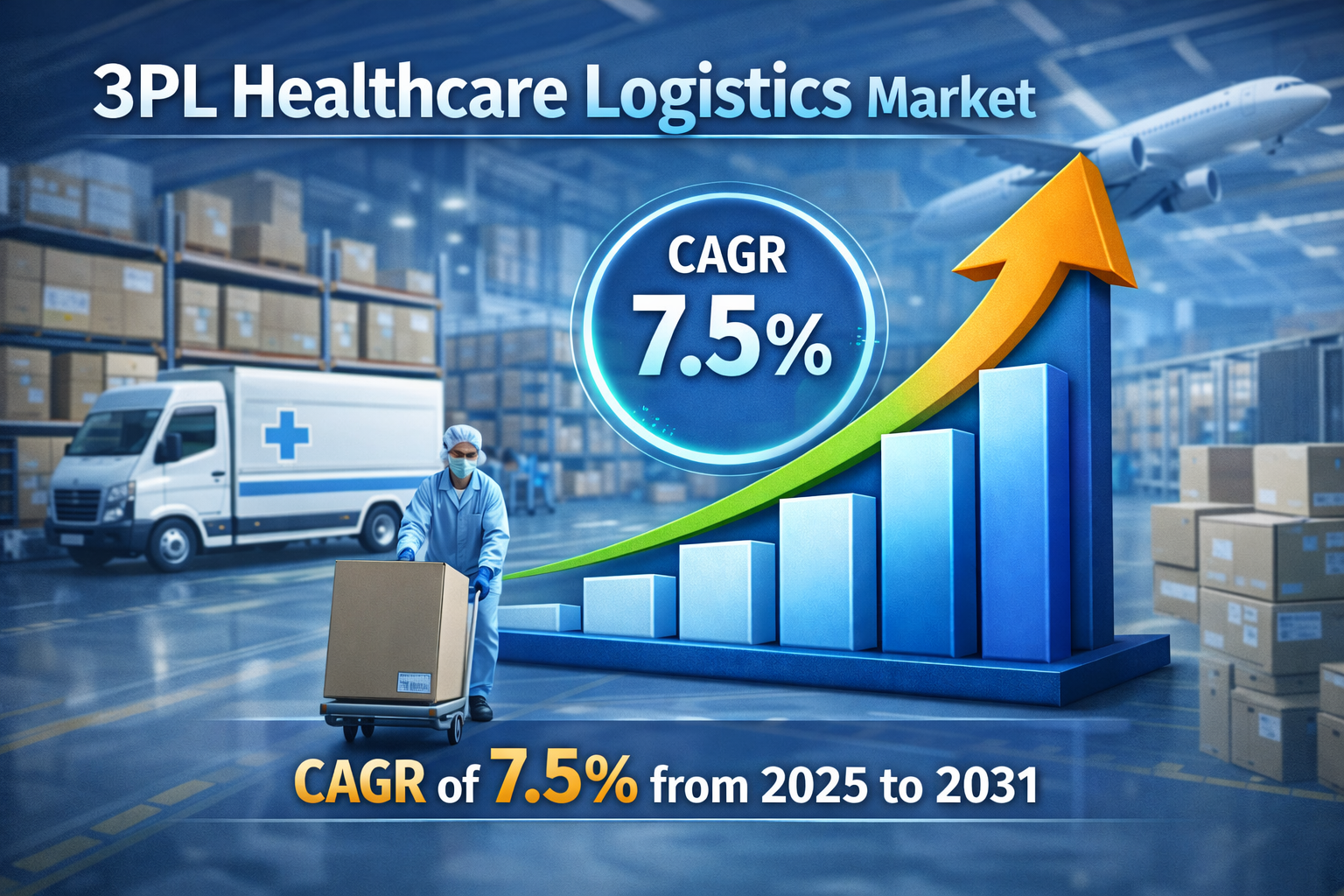
The global 3PL healthcare logistics market is experiencing strong growth as healthcare supply chains become increasingly complex and demand for efficient logistics solutions rises. According to industry insights, the market is expected to register a CAGR of 7.5% from 2025 to 2031, driven by the growing need for specialized third-party logistics services in the healthcare sector....
Cloud FinOps Market Information: The market research report on the Global Cloud FinOps market offered by Straits Research analyzes the major opportunities and yearly growth rates to help the readers to understand the qualitative and quantitative aspects of the Cloud FinOps industry. The competition landscape, company overview, financials, recent developments, and long-term investments...
The Smart Home Market is poised for significant expansion in the coming years, driven by technological innovation, rising consumer demand, and increasing awareness of energy efficiency and home security. Analysts project robust growth as IoT, artificial intelligence, cloud computing, and advanced sensors continue to enhance connected living experiences. The market presents numerous...

Executive Summary Mouthwash Market: Growth Trends and Share Breakdown CAGR Value The mouthwash market is expected to gain market growth in the forecast period of 2022 to 2029. Data Bridge Market Research analyses the market to grow at a CAGR of 5.30% in the above-mentioned forecast period. This global Mouthwash Market research report conducts a methodical and comprehensive market research...

In-Depth Study on Executive Summary LATAM Aesthetic Devices Market Size and Share CAGR Value The LATAM aesthetic devices market size was valued at USD 758.28 million in 2024 and is expected to reach USD 1,283.51 million by 2032, at a CAGR of 6.8% during the forecast period All statistical and numerical data is interpreted with the use of established and advanced tools such as SWOT...