


Lifeguard Training: Building Skills, Confidence, and Responsibility
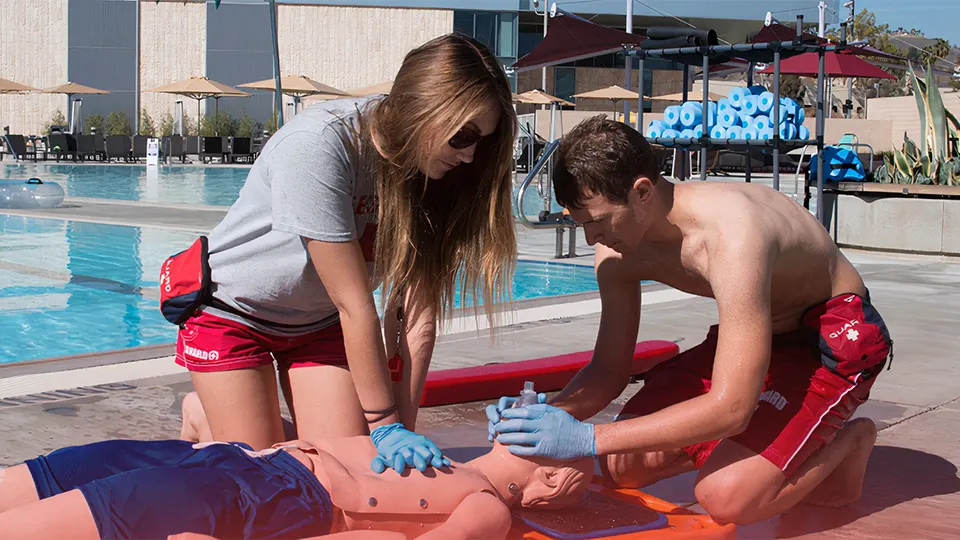
Lifeguard training is more than learning how to swim well. It is a comprehensive process that prepares individuals to protect lives, prevent accidents, and respond effectively during emergencies in aquatic environments. Whether at swimming pools, beaches, water parks, or lakes, lifeguards play a critical role in public safety. Their training combines physical fitness, technical rescue skills, first aid knowledge, communication abilities, and leadership development. As drowning and water-related accidents continue to be a major concern worldwide, professional lifeguard training remains one of the most important investments in community safety.
Strong Swimming Skills
The foundation of lifeguard training begins with strong swimming abilities. Before entering a certification course, candidates are usually required to demonstrate endurance, speed, and confidence in the water. Many training programs include swimming tests such as timed laps, underwater retrieval exercises, and treading water for extended periods. These evaluations ensure that participants can handle physically demanding rescue situations without hesitation. Strong swimming skills are essential because lifeguards often work in unpredictable conditions where quick action can mean the difference between life and death.
Water Rescue Techniques
One of the most important aspects of lifeguard training is water rescue techniques. Trainees learn how to identify distressed swimmers, approach victims safely, and perform rescues using specialized methods. Instructors teach different rescue strategies depending on the environment and the condition of the victim. For example, rescuing someone from a calm swimming pool may require a different approach than assisting a struggling swimmer in rough ocean waves. Lifeguards are trained to use rescue tubes, backboards, ropes, and flotation devices to ensure both their own safety and the safety of the victim.
Accident Prevention and Surveillance
In addition to rescue techniques, lifeguard training focuses heavily on accident prevention. A lifeguard’s job is not only to react during emergencies but also to recognize risks before accidents happen. Trainees learn how to monitor swimmers, enforce safety rules, and identify hazardous conditions such as slippery surfaces, overcrowded swimming areas, or dangerous weather changes. Effective surveillance skills are often emphasized because constant observation is one of the most powerful tools for preventing drowning incidents.
First Aid and CPR Training
First aid and cardiopulmonary resuscitation (CPR) are also central components of lifeguard training. Lifeguards must be prepared to provide immediate medical assistance until professional healthcare providers arrive. Training programs teach participants how to perform CPR on adults, children, and infants, as well as how to use automated external defibrillators (AEDs). In addition, trainees learn how to treat cuts, fractures, spinal injuries, heat exhaustion, and other medical emergencies that may occur in aquatic environments. These medical skills help lifeguards respond quickly and effectively under pressure.
Communication and Teamwork
Communication and teamwork are equally important in lifeguard training. Lifeguards often work as part of a team and must coordinate efficiently during emergencies. Training sessions typically include simulated rescue scenarios where participants practice giving clear instructions, signaling other guards, and working together to manage difficult situations. Good communication can prevent confusion and ensure a faster response during critical moments. Lifeguards are also trained to interact professionally with the public by educating swimmers about safety rules and maintaining a calm, authoritative presence.
Mental Preparedness and Stress Management
Another essential part of lifeguard training is learning how to stay calm under stress. Emergencies around water can escalate rapidly, and panic can reduce the effectiveness of a rescue effort. Through repeated drills and realistic practice situations, trainees develop confidence in their abilities and learn how to think clearly during high-pressure incidents. Mental preparedness is just as important as physical readiness because lifeguards are responsible for making quick decisions that may affect lives.
Modern Technology and Safety Standards
Modern lifeguard training programs often incorporate advanced technology and updated safety standards. Many organizations now use video analysis, rescue simulations, and digital learning tools to enhance the educational experience. Trainees may study real-life rescue cases to better understand the importance of prevention and rapid response. Safety guidelines are continuously updated to reflect the latest medical research and rescue practices, ensuring that certified lifeguards are prepared for modern challenges.
Lifeguard Certification and Renewal
Lifeguard certification programs are offered by many organizations around the world. These programs vary depending on the country and aquatic environment, but most require participants to complete both written and practical examinations. Certifications are usually valid for a limited period, after which lifeguards must renew their qualifications through refresher courses. Continuing education is important because rescue techniques and medical procedures can change over time. Regular practice also helps lifeguards maintain their physical fitness and emergency response skills.
Personal Development Through Lifeguarding
Beyond technical abilities, lifeguard training helps individuals develop valuable personal qualities. Responsibility, discipline, leadership, and confidence are all strengthened through the training process. Lifeguards must remain attentive for long periods, make ethical decisions, and serve as role models for safe behavior. These qualities are beneficial not only in aquatic settings but also in everyday life and future careers. Many former lifeguards credit their training for improving their communication skills, decision-making abilities, and self-confidence.
Career Opportunities and Future Benefits
Lifeguard training can also open doors to career opportunities and personal growth. Some individuals pursue lifeguarding as a seasonal job, while others use it as a stepping stone toward careers in emergency services, healthcare, sports, or education. The skills learned during training are widely respected because they demonstrate the ability to handle responsibility and respond effectively during emergencies. In many communities, lifeguards are viewed as trusted protectors who contribute significantly to public safety.
Importance of Lifeguards in Society
The importance of lifeguard training becomes especially clear when considering the global impact of drowning incidents. According to international health organizations, drowning remains one of the leading causes of accidental death, particularly among children and young adults. Properly trained lifeguards reduce these risks by maintaining safe aquatic environments and responding quickly when emergencies occur. Their presence provides reassurance to families and communities, allowing people to enjoy water activities with greater confidence.
Conclusion
In conclusion, lifeguard training is a demanding but highly rewarding process that prepares individuals to save lives and promote water safety. It combines physical conditioning, rescue techniques, first aid knowledge, communication skills, and mental preparedness into a comprehensive program of professional development. Lifeguards are more than strong swimmers; they are trained safety professionals capable of preventing accidents and responding effectively during emergencies. As water recreation continues to grow in popularity worldwide, the need for qualified and well-trained lifeguards remains essential. Through proper training and continuous practice, lifeguards help create safer aquatic environments and protect countless lives every year.
الأقسام
إقرأ المزيد
The Telecom API Market is undergoing significant transformation, driven by a convergence of technological advancements and changing consumer demands. As the sector evolves, the market is expected to reach a valuation of approximately 541 million USD by 2035, reflecting a robust compound annual growth rate (CAGR) of 9.87%. This growth is indicative of a broader shift in telecommunications, with...

The Digital Risk Protection Platform Market is highly competitive, with major players focusing on innovation, partnerships, and market expansion. Leading vendors include Proofpoint, ZeroFOX, Digital Shadows, FireEye, and RiskIQ, among others. These companies are investing in AI-driven threat intelligence, social media monitoring, and automated response capabilities to differentiate their...

Industry trends in the Energy as a Service market indicate a transformative shift towards innovative energy management solutions. As of 2024, the market size reflects a strong valuation of $83,409.7 million, with projections suggesting a substantial increase to $298,868.39 million by 2035. This impressive growth forecast, at a CAGR of 9.05%, can be attributed in part to the increasing demand...

The global Cable Connector Market serves as the backbone of modern technological systems, acting as the critical physical interface between devices, power sources, and data networks. In an era defined by rapid digital transformation, these components are no longer simple hardware pieces; they are sophisticated instruments engineered for precision, durability, and high-speed performance. From...

The Parking Management Solution market report is intended to function as a supportive means to assess the global Parking Management Solution market along with the complete analysis and clear-cut statistics related to this market. In other words, the report would provide an up-to-date study of the market in terms of its latest trends, present scenario, and the overall market situation....