


Managing Expectations: What Surgical Revision Can Achieve
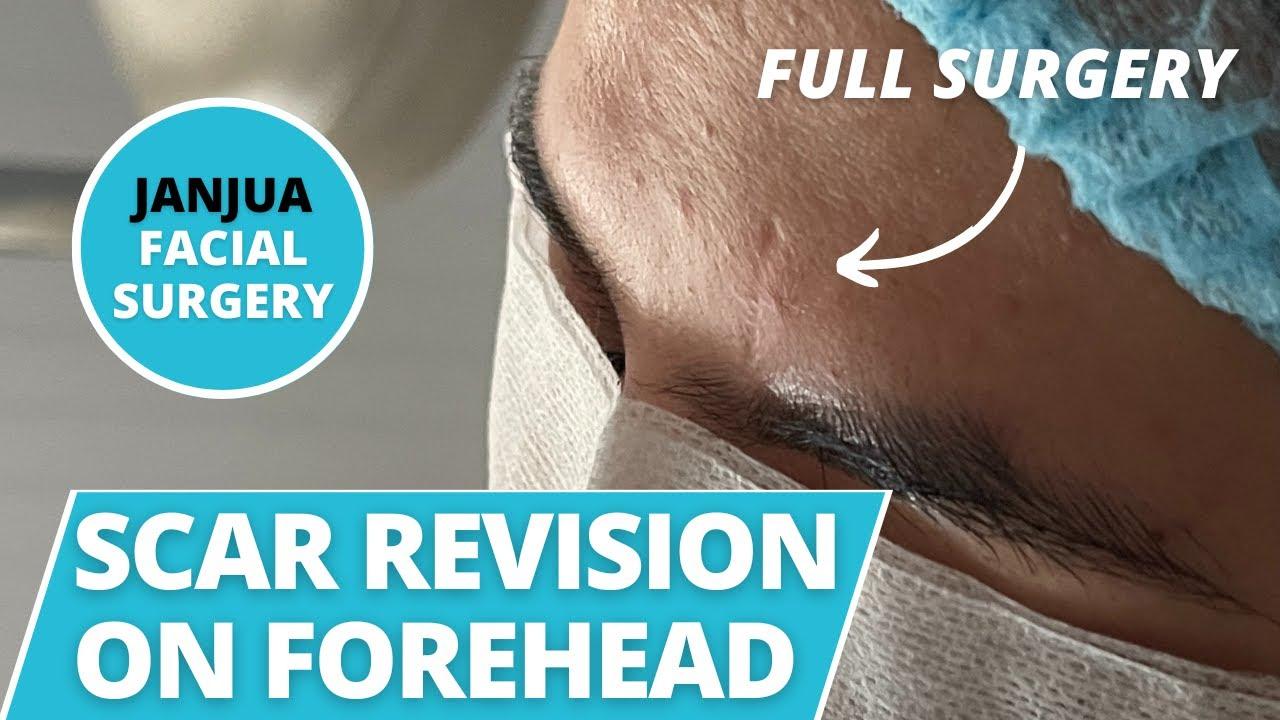
The journey toward skin restoration is as much about psychological alignment as it is about clinical precision. When exploring Surgical Scar Revision in Riyadh, it is essential to distinguish between the biological limitations of human healing and the advanced capabilities of modern reconstructive surgery. While the term "revision" implies a correction, it does not mean the total erasure of a mark. Instead, it refers to a sophisticated structural re-engineering that replaces a problematic, prominent, or restrictive scar with one that is significantly more discreet, flat, and harmonious. Managing expectations involves understanding that while a surgeon can change the "story" a scar tells, they are working within the framework of your body’s natural repair mechanisms.
The "Eraser" Myth vs. Clinical Reality
One of the most important factors in managing expectations is acknowledging that once the deep dermis is damaged, a permanent mark will always exist. Surgery cannot restore the exact "basket-weave" collagen pattern of original, uninjured skin.
-
The Goal of Surgery: The objective is to move the scar from a "high-visibility" category to a "low-visibility" category. This is achieved by changing the scar’s width, its height, and how it reflects light.
-
The Improvement Metric: A successful revision is typically measured by a significant percentage of improvement in appearance or a total restoration of physical function, rather than the attainment of "perfect" skin.
What Surgery Can Definitive Achieve
Through specialized maneuvers, a surgeon in Riyadh can achieve specific, permanent structural changes that topical or laser treatments cannot:
-
Width Reduction: Surgery can remove a wide, "stretched" scar and replace it with a hair-thin line using multi-layered, tension-reducing closures.
-
Contour Leveling: It can flatten a raised, hypertrophic scar or "lift" a sunken, atrophic scar, ensuring the skin surface is flush and no longer casts a shadow.
-
Visual Camouflage: Using techniques like W-Plasty, the surgeon can break up a long straight line into a jagged pattern that the human eye cannot easily track, making it "blend" into the natural skin texture.
-
Tension Release: It can physically lengthen a tight scar that is restricting movement, providing immediate relief from skin "pulling."
Factors That Influence the Final Outcome
Several variables outside of the surgeon's control will dictate how much improvement is possible.
1. Genetic Predisposition
Your "scarring profile" is a biological blueprint. If you are genetically prone to over-producing collagen (keloids), the surgery must be managed with extreme caution and supplemental therapies, as the risk of recurrence is a factor that both patient and surgeon must respect.
2. Anatomical Location
Scars in areas of high movement or high tension—such as the shoulders, back, or over the knees—are more challenging to revise than scars on the face. The skin on the face has an excellent blood supply and less mechanical pull, which generally leads to superior results.
3. The Riyadh Climate and Aftercare
In the Saudi region, the final outcome is heavily influenced by the patient’s commitment to sun protection. A perfectly executed surgery can still result in a dark, prominent mark if the "immature" tissue is exposed to intense UV rays during the first six months of healing.
The Timeline of "Better"
Patients often expect to see their final result as soon as the sutures are removed, but the biological timeline of healing requires patience.
-
The Pink Phase: For the first 3 to 4 months, the revised scar will likely be redder and more visible than the original. This is a sign of healthy blood flow and active remodeling.
-
The Softening Phase: Between months 6 and 12, the redness fades and the tissue softens.
-
The Final Reveal: It takes a full year for a revised scar to reach its final, stable state.
Conclusion: The Path to Confidence
Surgical revision is a powerful tool for those whose lives are affected by the physical or emotional weight of a scar. By focusing on the tangible goals of Surgical Scar Revision in Riyadh—such as restoring symmetry, eliminating shadows, and releasing tightness—patients can achieve a transformative result that significantly enhances their quality of life. Understanding that surgery is a "refinement" rather than an "erasure" allows you to approach the procedure with a sense of empowerment and realistic optimism. When you align your expectations with the science of healing, the result is a clearer, more comfortable version of yourself that reflects your resilience rather than your past trauma.
Categorie
Leggi tutto
In a city as dynamic and culturally diverse as Delhi, matchmaking is no longer just about exchanging biodatas or arranging quick meetings. Today, a professional marriage bureau plays a much deeper role it acts as a guide, mediator, and relationship builder. Turning a simple introduction into a real, meaningful relationship requires a structured process, emotional intelligence, and continuous...

Introduction Emerald Engagement Rings With Diamonds represent a captivating blend of vibrant color, brilliance, and timeless sophistication. These rings stand apart from traditional diamond-only designs by introducing the rich green hue of emeralds, symbolizing love, renewal, and harmony. When paired with sparkling diamonds, the result is a striking contrast that enhances the beauty of...
Why Wholesale Custom Postcards Dominate Modern Marketing In today’s competitive landscape, wholesale custom postcards remain one of the most powerful and cost-effective marketing tools. We leverage their simplicity, versatility, and visual appeal to deliver impactful messages directly into the hands of customers. Unlike digital ads that are easily ignored, postcards create a tangible...

Home organization has become a key part of modern living, especially for homeowners who want both style and functionality. One of the most effective ways to improve storage and create a more organized space is through custom closets Jeffersonville services. Unlike standard storage options, custom closets are designed specifically for your space, lifestyle, and storage needs. In Jeffersonville,...

Real estate tokenization is reshaping how property assets are structured, owned, and traded. By converting real estate into digital tokens on blockchain networks, ownership can be divided into smaller, tradable units, allowing broader investor participation and improved liquidity in traditionally illiquid markets. However, building a complete real estate tokenization platform from the...