Pediatric Orthopedic Solutions for Limb Anomalies in Saudi Arabia
Pediatric Orthopedic Solutions for Limb Anomalies in Saudi Arabia
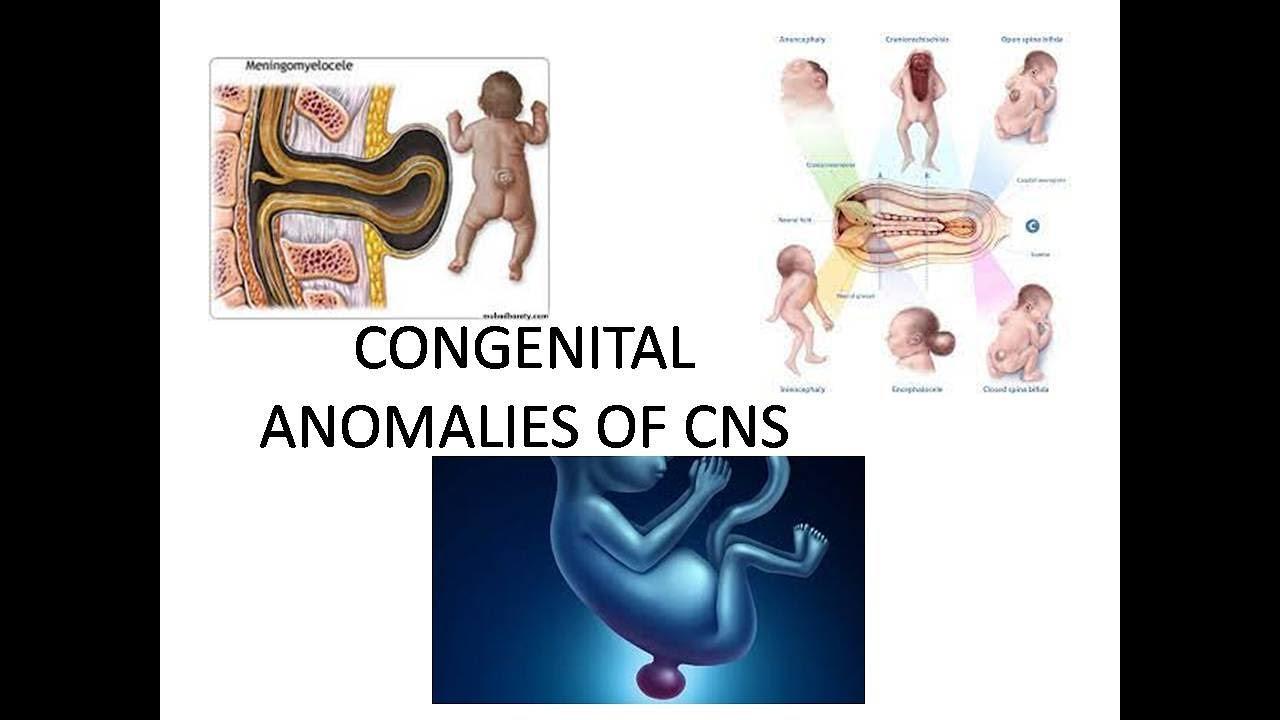
The field of pediatric orthopedics has seen a remarkable transformation, blending surgical excellence with advanced biomechanical technology to treat children born with skeletal variations. When addressing Congenital Anomalies in Riyadh, the focus is often on restoring the delicate balance between form and function, ensuring that children can reach their developmental milestones with the highest degree of mobility. Limb anomalies—ranging from limb length discrepancies and clubfoot to complex deficiencies where bones may be missing or underdeveloped—require a longitudinal care plan. In the Kingdom’s specialized orthopedic centers, the approach is no longer just about correction, but about "guided growth," utilizing the body's natural developmental energy to straighten and lengthen limbs over time. This patient-centric model ensures that every child, regardless of their physical starting point, is provided with the tools to walk, run, and play alongside their peers.
Understanding the Spectrum of Limb Anomalies
Limb anomalies are generally categorized into structural malformations that affect the arms or legs. Some of the most common conditions managed by orthopedic specialists in the region include:
-
Clubfoot (Talipes Equinovarus): A condition where the foot is twisted inward and downward. It is one of the most successfully treated anomalies using non-surgical methods.
-
Developmental Dysplasia of the Hip (DDH): Where the hip joint hasn't formed normally, often resulting in a shallow socket that puts the child at risk for dislocation.
-
Limb Length Discrepancy: A condition where one limb is shorter than the other, which can lead to spinal issues and gait abnormalities if left unmanaged.
-
Fibular Hemimelia: A rare condition where the fibula (the outer bone of the lower leg) is partially or completely missing, often affecting the stability of the ankle and the length of the leg.
The Ponseti Method: A Gold Standard for Clubfoot
For many parents, the journey begins with the Ponseti method, a non-invasive technique that has revolutionized clubfoot treatment. This approach involves a series of gentle manual manipulations of the foot followed by the application of plaster casts. These casts are changed weekly, gradually moving the foot into the correct position. In the final stage, a minor procedure called a tenotomy is often performed to release the Achilles tendon. The success of this method in the Kingdom's clinics has significantly reduced the need for major reconstructive surgery, allowing children to develop normal-looking, functional feet that can support active lifestyles.
Guided Growth and Hemiepiphysiodesis
One of the most innovative "minimalist" orthopedic solutions is the concept of guided growth. For children with angular deformities, such as "knock-knees" or "bow-legs," surgeons can use small, eight-shaped plates and screws to temporarily restrain growth on one side of the growth plate while allowing the other side to continue growing. As the child grows, the limb naturally straightens itself. This technique is far less invasive than traditional osteotomies (where the bone is cut and realigned) and allows for a much faster recovery, with children often returning to school within days of the procedure.
Advanced Limb Lengthening: The Internal Motorized Nail
For children facing significant limb length discrepancies, the medical sector has moved toward "internal" solutions. Traditional external fixators—large metal frames with pins through the skin—are increasingly being replaced by internal motorized lengthening nails. These devices are surgically placed inside the marrow of the bone. After surgery, a remote control is used by the parent or child at home to trigger a tiny motor inside the nail, which lengthens the bone by approximately one millimeter per day. Because there are no pins protruding through the skin, the risk of infection is drastically lower, and the child’s comfort and mobility during the lengthening process are greatly improved.
Comprehensive Hip Management (DDH)
Early detection of hip dysplasia is a priority in neonatal wards across the Kingdom. When identified in infancy, DDH can often be treated with a Pavlik harness—a soft bracing system that holds the hips in the correct position to allow the socket to deepen naturally. For older children who may require surgery, pediatric orthopedic surgeons perform complex pelvic and femoral osteotomies. These procedures are supported by intraoperative imaging to ensure that the "ball and socket" of the hip are perfectly aligned, preventing the early onset of arthritis and ensuring the child can remain active throughout their life.
The Integration of Pediatric Prosthetics and Orthotics
In cases where a limb deficiency is too severe for surgical reconstruction, the focus shifts to advanced prosthetics. The Kingdom has invested in state-of-the-art orthotic and prosthetic centers that specialize in "growing" with the child. Modern pediatric prosthetics are lightweight, durable, and can be customized with 3D-printed components. Specialists work closely with the child to ensure that the prosthetic becomes a natural extension of their body. For children with limb differences, sports-specific prosthetics—such as "blades" for running—are also available, ensuring that a congenital condition never stands in the way of athletic participation.
Multidisciplinary Rehabilitation and Gait Analysis
The success of orthopedic surgery is heavily reliant on what happens after the operation. Specialized gait analysis labs use high-speed cameras and pressure sensors to map out exactly how a child walks. This data allows physical therapists to design highly specific exercise programs to strengthen weak muscles and improve balance. The care team includes:
-
Pediatric Orthopedic Surgeons: To lead the surgical and structural planning.
-
Physiotherapists: To guide the physical recovery and motor skill development.
-
Orthotists: To design custom braces that support the limb during the healing process.
-
Pain Management Specialists: To ensure the child remains comfortable throughout their journey.
Building Confidence Through Movement
The ultimate goal of pediatric orthopedic solutions is to foster a sense of "can-do" in every child. By addressing physical challenges early and utilizing the most advanced technology available, the medical community in Riyadh is empowering children to move with confidence. Whether it is taking those first steps after clubfoot correction or playing football with a motorized limb extension, the focus remains on the child’s ability to participate fully in life. Through a combination of surgical innovation and compassionate care, the Kingdom is ensuring that limb anomalies are manageable hurdles rather than lifelong barriers.
Kategorien
Mehr lesen
Fertility Services Industry Insights: The “Global Fertility Services Market Professional Report 2025–2033” has been introduced by Straits Research to its research database. The report delivers a structured analysis covering market summary, product details, market size and share, value and volume metrics, segmentation, SWOT analysis, and key players, derived from...

The landscape of Digital Workplace Transformation is constantly evolving, with emerging trends shaping the future of work. Understanding these trends is essential for organizations looking to stay ahead in a digital-first world. For more insights, refer to Digital Workplace Transformation Service Market. The trend toward remote work is likely to continue, with many organizations adopting hybrid...

A frequent point of discussion for our patients is the balance between immediate gratification and the biological reality of tissue remodeling. In 2026, Laser Skin Tightening in Dubai is no longer viewed as a "one-off" event but as a strategic series of sessions designed to compound the skin's regenerative capacity. At Tajmeels Clinic, we address the common concern of "session fatigue" by...
In the ever-evolving world of streetwear, few brands have captured attention quite like Hellstar Clothing. Known for its edgy designs, high-quality materials, and unapologetic attitude, hellstaroffiicial.com has quickly established itself as a go-to label for those who want to stand out. More than just a clothing brand, Hellstar represents a lifestyle—one that blends rebellion,...

In a city that defines the cutting edge of luxury and technology, it is no surprise that Dubai’s skincare scene is equally advanced. For those new to the world of clinical aesthetics, the sheer variety of treatments—from lasers to chemical resurfacing—can be overwhelming. However, one treatment has quietly become the "gold standard" for beginners due to its non-invasive...