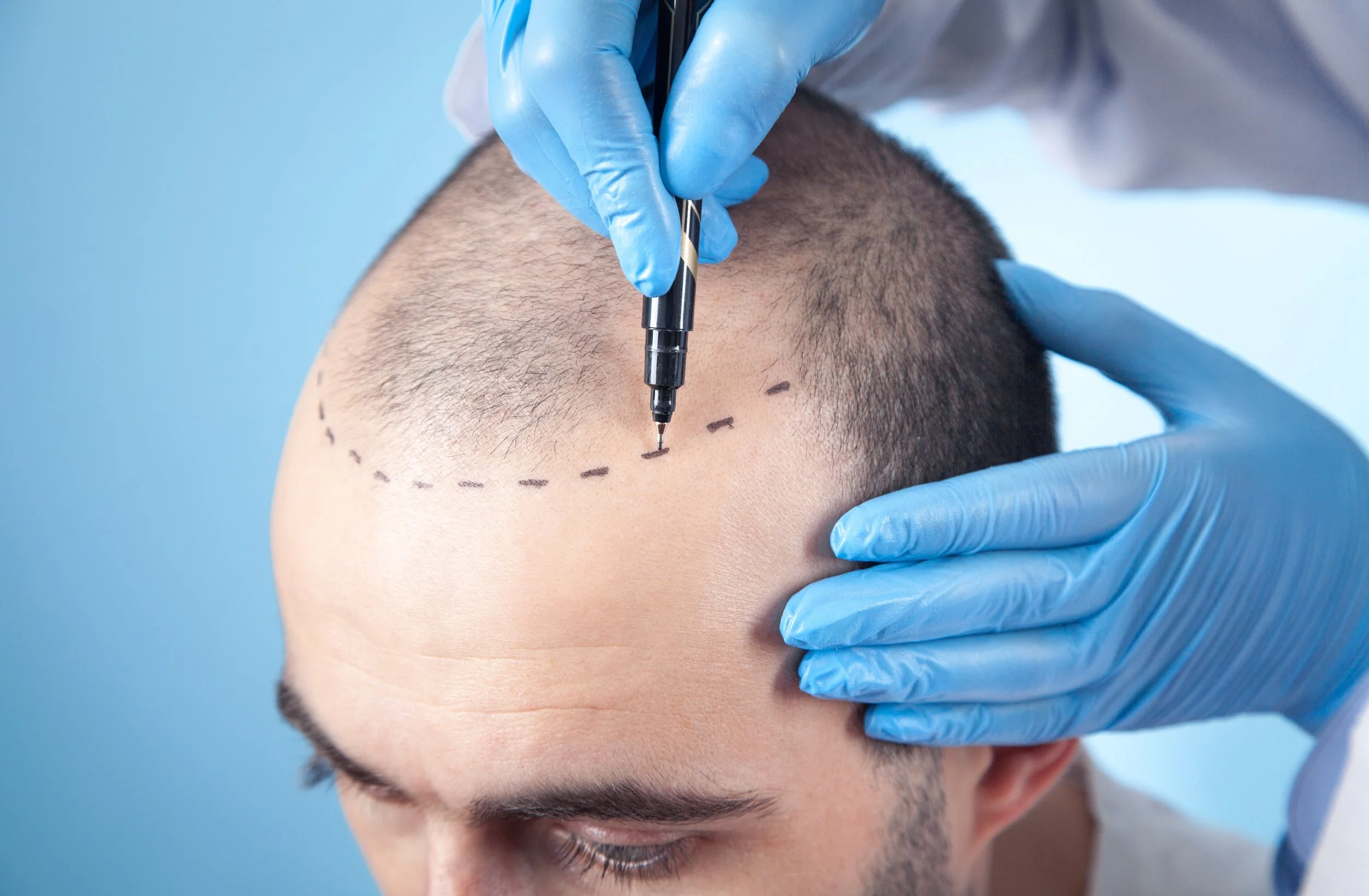
Hair loss can affect confidence and self-image, which is why many people explore long-term restoration options. One of the most reliable solutions available today is Hair Transplant Surgery, a procedure that moves healthy hair follicles from one area of the scalp to another to restore natural hair growth. While the procedure itself is important, understanding the recovery process is equally essential for achieving the best results. Knowing what to expect week by week helps patients stay patient, follow proper aftercare instructions, and recognize the normal stages of healing and hair growth.
Immediately After the Procedure:
The first hours after the procedure are focused on protecting the newly transplanted follicles and allowing the scalp to begin healing. Patients may notice mild redness, swelling, or slight sensitivity in both the donor and recipient areas. These reactions are temporary and are part of the body’s natural healing response. During this stage, doctors usually provide specific instructions to help protect the grafts and prevent complications.
Important post-procedure guidelines often include:
-
Avoid touching or scratching the treated areas
-
Keep the scalp clean and dry as recommended
-
Sleep with the head slightly elevated
-
Take prescribed medications if provided
-
Avoid strenuous physical activities
These precautions help ensure that the newly implanted follicles remain stable during the early healing phase.
Week 1: Early Healing Stage:
During the first week, the scalp continues to heal while the transplanted follicles settle into their new location. Small scabs may form around the grafts, which is a natural part of the healing process. These scabs usually begin to fall off gradually as the scalp recovers. Mild swelling or tightness may also be present but typically fades within a few days.
Common experiences during week one include:
-
Formation of small protective scabs around grafts
-
Mild redness in the treated areas
-
Gradual reduction of swelling
-
Gentle washing of the scalp following medical advice
By the end of the first week, most patients begin to feel more comfortable as the scalp continues to recover.
Week 2: Shedding Phase Begins:
Around the second week, many patients notice a temporary shedding of the transplanted hair. This stage can sometimes cause concern, but it is a completely normal part of the hair growth cycle. The follicles themselves remain healthy under the scalp even though the visible hair strands fall out.
Typical changes during this stage include:
-
Shedding of transplanted hair shafts
-
Continued healing of the scalp
-
Reduced redness and sensitivity
-
Improved comfort during daily activities
This shedding stage simply prepares the follicles for a new growth cycle that will begin in the following months.
Weeks 3 to 4: Resting Phase of Hair Follicles:
During weeks three and four, the transplanted follicles enter a resting phase. At this stage, there may be little visible change in the scalp, which can make it seem as though hair growth has paused. In reality, the follicles are adjusting beneath the surface and preparing to produce new hair.
What patients may notice during this time:
-
Most scabs completely disappear
-
The scalp looks more natural again
-
Shedding phase slows down
-
Follicles remain inactive while preparing for new growth
Although this stage may feel uneventful, it is a crucial part of the hair restoration process.
Month 2 to Month 3: Early Signs of Growth:
By the second or third month, the transplanted follicles begin producing new hair strands. These early hairs are often thin and soft at first, but they gradually become stronger over time. This stage marks the beginning of visible progress and is often exciting for patients who have been waiting for noticeable results.
Changes commonly seen during this period include:
-
Early appearance of new hair growth
-
Thin and fine hair strands initially
-
Gradual strengthening of new hair
-
Improved scalp appearance
The new hairs will continue to grow and thicken as the follicles become more active.
Months 4 to 6: Noticeable Hair Development:
Between the fourth and sixth months, hair growth becomes more visible and consistent. The transplanted follicles continue producing stronger hair strands, and the overall density begins to improve. During this stage, many patients start to see meaningful changes in their hairline and scalp coverage.
Typical progress during this stage includes:
-
Increased hair density in treated areas
-
Thicker and stronger hair strands
-
Gradual improvement in hairline definition
-
More natural blending with existing hair
This period often marks the transition from early growth to more noticeable transformation.
Months 7 to 9: Significant Improvement:
By the seventh to ninth month, most patients experience significant improvements in hair growth. The transplanted hair continues to thicken and mature, creating a fuller and more natural appearance. Although results vary among individuals, this stage often brings visible changes that boost confidence.
Key developments during this stage include:
-
Stronger and denser hair growth
-
More defined hairline structure
-
Improved coverage in thinning areas
-
Continued strengthening of hair texture
Hair continues to mature during this stage, contributing to a more natural overall look.
Months 10 to 12: Final Results Appear:
Around the ten to twelve month mark, the majority of the final results become visible. The transplanted hair has typically completed its growth cycle and reached its natural thickness and texture. By this time, the restored hairline blends seamlessly with the rest of the scalp.
Typical results during this stage include:
-
Full development of transplanted hair
-
Natural hair texture and direction
-
Balanced hair density across treated areas
-
Stable long-term hair growth
Although some minor improvements may continue beyond one year, most patients can clearly see the final outcome by this stage.
Final Thoughts
Recovering from a hair transplant procedure is a gradual process that requires patience and proper care. Each stage of recovery, from early healing to full hair growth, plays an important role in achieving natural and long-lasting results. By understanding the week-by-week timeline, patients can better manage expectations and follow recommended aftercare practices. With time, the transplanted follicles establish themselves and begin producing healthy hair that restores both appearance and confidence.