

Fractional CO2 in Dubai vs. Traditional Lasers: Key Differences
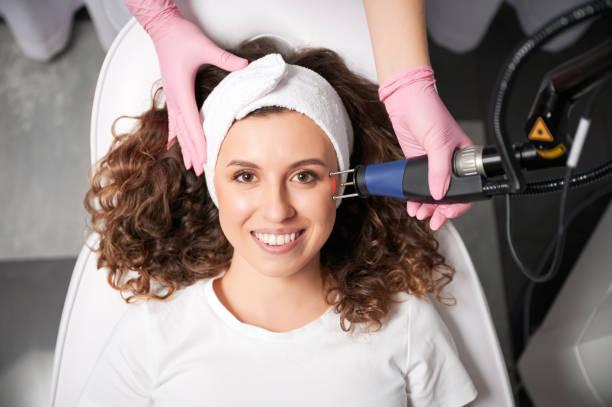
The evolution of aesthetic medicine in the UAE has provided residents with a staggering array of choices for skin rejuvenation. From light-based therapies to deep thermal resurfacing, the options can often feel overwhelming. However, among these, Fractional CO2 in Dubai remains the benchmark against which all other resurfacing treatments are measured. At Tajmeels Clinic, we observe that while "traditional" lasers still have their place, the shift toward fractional technology has revolutionized how we treat aging and scarred skin.
Understanding the mechanical differences between these technologies is essential for any patient looking to invest in their long-term dermal health. In the intense climate of Dubai, where sun damage is a constant factor, choosing the right laser is the difference between a superficial "glow" and a deep structural transformation.
Overview of Laser Resurfacing Options
To understand the superiority of Fractional CO2 in Dubai, we must first categorize the broader landscape of laser treatments available in the region.
-
Ablative Lasers (The Traditional Heavyweights): These lasers remove the entire top layer of the skin (epidermis) to heat the underlying dermis. While incredibly effective for deep wrinkles, they historically required weeks of painful recovery and carried a higher risk of pigmentation changes.
-
Non-Ablative Lasers (The Lunchtime Lasers): These keep the skin surface intact while heating the deeper layers. They have almost zero downtime but often require 5 to 10 sessions to see even a fraction of the results produced by a CO2 laser.
-
Fractional Lasers (The Hybrid Revolution): This category includes both CO2 (Ablative) and Erbium (Non-Ablative) options. The "fractional" delivery system bridges the gap between power and safety by treating only a percentage of the skin's surface.
What Sets Fractional CO2 Apart in Dubai
The carbon dioxide (CO2) laser is unique because of its wavelength ($10,600$ nm), which is highly absorbed by the water in our skin cells. This allows for the precise vaporization of damaged tissue.
What specifically sets Fractional CO2 in Dubai apart from older traditional CO2 lasers is the "pixelated" delivery. Instead of a solid beam that strips the face, the laser emits thousands of microscopic light shafts. This creates "Micro-Thermal Zones" (MTZs). At Tajmeels Clinic, we find that leaving bridges of untreated skin between these zones allows the skin to heal significantly faster—often in 5 to 7 days compared to the 21 days required by older, non-fractional ablative lasers.
Downtime Comparison: Recovery Realities
In a fast-paced city like Dubai, downtime is a major deciding factor. When comparing Fractional CO2 in Dubai to traditional ablative lasers, the difference is night and day.
| Feature | Traditional Ablative CO2 | Fractional CO2 (Tajmeels) | Non-Ablative Lasers |
| Visible Redness | 2–4 Weeks | 5–7 Days | 1–2 Days |
| Peeling/Flaking | Heavy (Sheet peeling) | Moderate (Sandpaper texture) | Minimal to None |
| Back to Work | 3 Weeks | 1 Week | Next Day |
| Full Results | 1 Session | 1–3 Sessions | 6+ Sessions |
We observe that while non-ablative lasers offer faster recovery, they rarely provide the "one-and-done" satisfaction that our patients experience with a single, well-performed Fractional CO2 session.
Effectiveness on Dubai Skin Tones
The UAE is home to a diverse population with a wide range of Fitzpatrick skin types (from very fair to deep olive and brown). Historically, traditional CO2 lasers were risky for darker skin tones because the excessive heat could trigger Post-Inflammatory Hyperpigmentation (PIH).
However, Fractional CO2 in Dubai has changed this dynamic. By adjusting the "density" and "dwell time" of the laser pulses, our specialists at Tajmeels Clinic can safely treat tan and olive skin tones. We find that the fractional nature of the energy allows the skin to dissipate heat more effectively, significantly lowering the risk of darkening while still providing excellent results for acne scars and texture.
Pros and Cons Breakdown
Fractional CO2 Laser
-
Pros: Dramatic results in 1–2 sessions; permanent improvement in deep scars; significant skin tightening.
-
Cons: Requires 5–7 days of social downtime; requires strict sun avoidance post-treatment.
Traditional Ablative Laser
-
Pros: Unmatched for severe, deep-set wrinkles.
-
Cons: High risk of scarring or "hypopigmentation" (skin lightening); recovery can take a month; rarely used in Dubai's sunny climate due to safety concerns.
Non-Ablative / IPL
-
Pros: No downtime; great for surface redness or very fine lines.
-
Cons: Does not treat deep acne scars; results are temporary; high cumulative cost due to the number of sessions required.
Ideal Candidates: Who Should Choose CO2?
At Tajmeels Clinic, we find that Fractional CO2 in Dubai is the ideal choice for individuals who:
-
Have deep, pitted acne scars that haven't responded to chemical peels or microneedling.
-
Have "static" wrinkles (lines visible even when not smiling or frowning).
-
Are looking for a "total skin reset" to address sun damage and rough texture simultaneously.
-
Can commit to one week of staying indoors and avoiding the sun.
Future Trends: The Rise of Combination Therapy
Looking ahead, we are seeing a trend toward combining Fractional CO2 in Dubai with other biological boosters. At Tajmeels Clinic, we often observe enhanced healing and superior results when the laser is followed by the application of growth factors or specialized calming serums. This "Bio-Laser" approach further reduces downtime and amplifies collagen production.
"Traditional lasers were about removal; Fractional CO2 is about renewal. We find that by treating the skin in fragments, we achieve 90% of the results of a full resurfacing with only 25% of the downtime." — Clinical Team at Tajmeels
Категории
Больше
The IT Asset Reuse Market is rapidly evolving as organizations recognize the potential for cost savings and sustainability through repurposing existing IT assets. As businesses face increasing pressure to optimize their operations and reduce costs, the concept of asset reuse has gained significant traction. This market encompasses a wide range of activities, including refurbishing, reselling,...

Puberty is a period of rapid change, and for many young men, it can bring about the unexpected development of breast tissue. Known as adolescent gynaecomastia, this condition affects a significant percentage of teenage boys due to temporary hormonal shifts. While often a normal part of growing up, for some, the tissue does not regress naturally, leading to significant distress. Gynaecomastia...
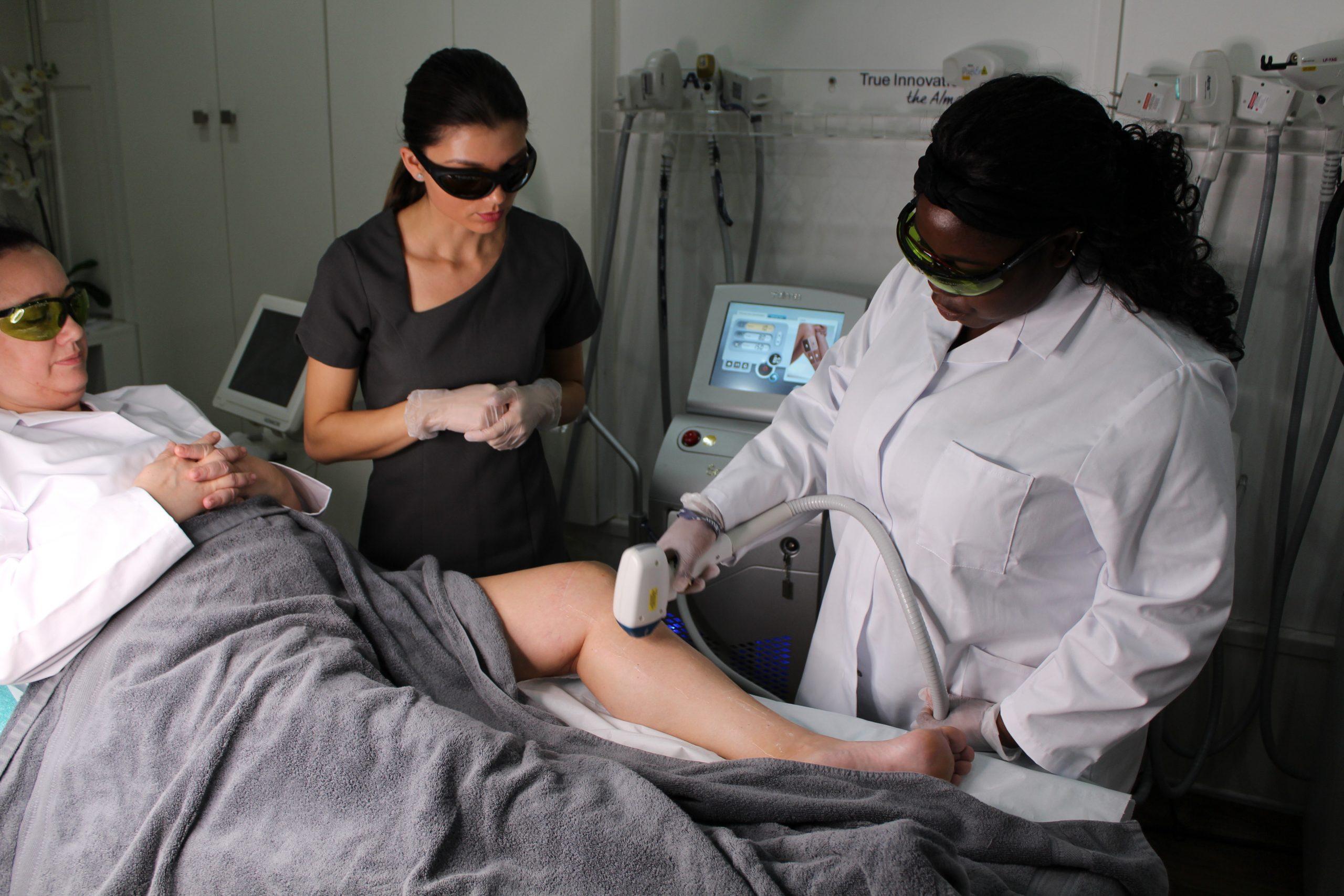
Introduction One of the most frequently asked questions about laser hair removal in Dubai is how many sessions are required to achieve the desired results. Since the treatment works gradually, understanding the session plan helps set realistic expectations. Laser hair removal is not a one-time procedure. It requires multiple sessions spaced over time to effectively target hair in different...
Education Apps Market Information: The market research report on the Global Education Apps market offered by Straits Research analyzes the major opportunities and yearly growth rates to help the readers to understand the qualitative and quantitative aspects of the Education Apps industry. The competition landscape, company overview, financials, recent developments, and long-term...

The Training and Placement Office (TPO) Desk at Terna Engineering College plays a crucial role in bridging the gap between academic learning and professional careers. Located in Nerul, Navi Mumbai, this dedicated cell works tirelessly to prepare students for the competitive job market while connecting them with top recruiters across industries. Established in 1991 and affiliated with the...