


Dandruff Treatment in Dubai: Seborrheic Dermatitis Explained
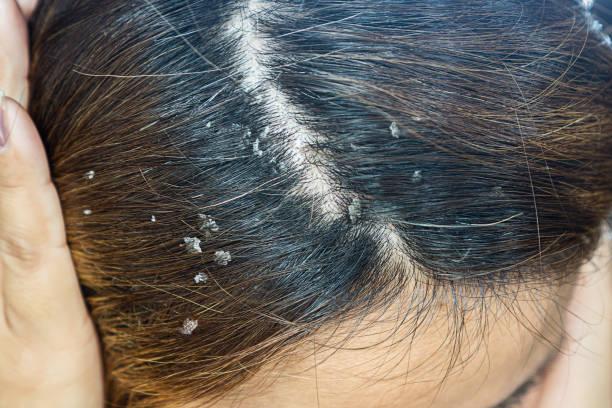
While most people use the term "dandruff" to describe any form of scalp flaking, many chronic cases are actually a clinical condition known as seborrheic dermatitis. In the context of Dandruff Treatment in Dubai, identifying this distinction is critical for long-term management. Seborrheic dermatitis is a chronic inflammatory skin condition that goes beyond simple dry skin; it is a systemic overreaction to the Malassezia yeast that inhabits oily areas of the body. In the UAE's high-humidity environment, this condition can become particularly aggressive, leading to thick, oily plaques and persistent redness. At our practice, we focus on diagnosing the underlying inflammatory triggers to provide a more sophisticated level of care than standard over-the-counter solutions can offer.
Seborrheic Dermatitis vs. Common Dandruff
To the untrained eye, the two conditions look similar, but their biological "footprints" are quite different. We find that while common dandruff is limited to the scalp, seborrheic dermatitis is a more expansive inflammatory process.
We observe that common dandruff produces fine, white, dry flakes with minimal skin irritation. In contrast, we find that seborrheic dermatitis presents as large, yellowish, oily scales attached to a red, inflamed base. For patients seeking Dandruff Treatment in Dubai, the presence of "greasy" scales is a primary indicator of dermatitis. Based on post-procedure follow-ups, we also note that seborrheic dermatitis often involves a cycle of intense itching followed by a "burning" sensation, which is rarely seen in simple dandruff cases.
Why does seborrheic dermatitis feel "inflamed" compared to dandruff?
The "heat" or inflammation you feel is the body's immune system responding to the byproducts of yeast metabolism. We find that as the yeast breaks down scalp oils, it releases oleic acid, which penetrates the skin barrier and triggers an inflammatory cascade. We observe that in patients with seborrheic dermatitis, the skin is hypersensitive to this acid. Based on post-procedure follow-ups, this results in the characteristic redness and swelling that distinguishes it from the non-inflammatory shedding of standard dandruff.
Why It Affects More Than the Scalp
One of the most telling signs of seborrheic dermatitis is its tendency to appear in "seborrheic zones"—areas of the body with a high concentration of oil glands.
We find that patients often notice redness and flaking in the eyebrows, around the sides of the nose (nasolabial folds), and even behind the ears. We observe that in severe cases, it can also manifest on the center of the chest or the upper back. For those requiring Dandruff Treatment in Dubai, a holistic body check is often part of the clinical assessment. Based on post-procedure follow-ups, treating the scalp alone often provides only partial relief if these other "reservoirs" of yeast and inflammation are not addressed simultaneously.
Can seborrheic dermatitis affect my eyelids?
Yes, we find that a specific form called seborrheic blepharitis can cause redness and crusting along the lash line. We observe that this often feels like a "gritty" sensation in the eyes. Based on post-procedure follow-ups, this requires specialized, gentle care to avoid irritating the ocular surface. We find that managing the scalp condition usually helps reduce the frequency of eyelid flare-ups, as it lowers the overall fungal load on the face.
Treatment Similarities and Differences
While both conditions utilize antifungal agents, the "attack plan" for seborrheic dermatitis is significantly more robust.
We find that for common flaking, a single antifungal ingredient is often sufficient. However, for seborrheic dermatitis, we find that a "triple-action" approach is needed: antifungal to kill the yeast, keratolytic to dissolve thick scales, and anti-inflammatory to calm the redness. For patients seeking Dandruff Treatment in Dubai, we may prescribe a rotation of Ketoconazole and Ciclopirox, sometimes paired with a mild topical steroid for the "flare-up" phase. Based on post-procedure follow-ups, the goal is not just to clean the hair, but to heal the underlying skin tissue.
Is the treatment for the face different than the scalp?
We find that the skin on the face is much thinner and more sensitive than the scalp. We observe that while you can use potent medicated shampoos on the head, the face requires lower concentrations of active ingredients, often in cream or gel form. Based on post-procedure follow-ups, we strongly advise against using high-strength scalp steroids on the face, as this can lead to skin thinning. We find that a tailored, area-specific approach is the safest way to manage multi-zone dermatitis.
Long-Term Management
Because seborrheic dermatitis is a chronic condition, "cure" is replaced by the concept of "consistent control." We find that the environment in Dubai necessitates a lifelong maintenance strategy.
We observe that flare-ups are often triggered by stress, changes in humidity, or even the mineral content of local water. We find that successful Dandruff Treatment in Dubai involves a "tapering" schedule—using intensive treatments to clear a flare-up, followed by a once-weekly maintenance wash to keep the fungal population in check. Based on post-procedure follow-ups, patients who stick to a preventative routine experience 80% fewer flare-ups annually compared to those who only treat the condition when it becomes visible.
Will I always have to use medicated shampoos?
We find that most patients can eventually transition to high-quality, non-medicated "maintenance" shampoos for most of the week. We observe that keeping one medicated bottle for a "booster" wash every 7 to 10 days is usually enough to prevent a full recurrence. Based on post-procedure follow-ups, this prevents the scalp from becoming "resistant" to the medication while maintaining a healthy skin barrier. We find that "minimal effective dosing" is the best long-term strategy.
When to Suspect This Condition
Recognizing when your "dandruff" has progressed into seborrheic dermatitis allows for faster clinical intervention.
We find that you should suspect dermatitis if your flakes are yellow and "waxy," or if the redness persists even after the flakes are washed away. We observe that if the condition improves in the sun but worsens significantly during periods of high sweat or stress, it is likely inflammatory in nature. Based on post-procedure follow-ups, seeking professional Dandruff Treatment in Dubai at this stage can prevent the development of "pityriasis steatoides," where scales become so thick they can cause temporary hair shedding. We find that early diagnosis is the most effective way to protect your scalp's health.
Why Choose Tajmeels Clinic
At Tajmeels Clinic, we specialize in the clinical differentiation of scalp disorders. We provide a professional environment where we use digital trichoscopy to examine the vascular patterns and scale morphology of your scalp. Our practitioners understand that seborrheic dermatitis is more than just a surface issue; it is a biological imbalance that requires high-authority medical management. We provide a grounded, empathetic approach to your care, ensuring you have a sustainable plan for clear skin. By choosing Tajmeels Clinic, you are opting for a practice that values clinical accuracy and the long-term well-being of our patients in Dubai.
FAQs
Does seborrheic dermatitis cause permanent scarring?
We find that in the vast majority of cases, it does not cause scarring. However, we observe that if a secondary bacterial infection occurs due to intense scratching, some localized scarring could potentially happen. Based on post-procedure follow-ups, timely Dandruff Treatment in Dubai and avoiding the "scratch cycle" are the best ways to ensure your scalp remains healthy and scar-free.
Can my diet trigger a seborrheic dermatitis flare-up?
We find that while diet doesn't "cause" the condition, high-sugar and high-dairy diets can increase oil production, which provides more fuel for the yeast. We observe that some patients see an improvement when they increase their intake of anti-inflammatory foods like fatty fish and leafy greens. Based on post-procedure follow-ups, a balanced internal environment supports the efficacy of topical treatments.
Is seborrheic dermatitis related to my immune system?
Yes, we find that the condition is essentially an overreaction of the immune system to a common yeast. We observe that during times of illness or high stress, the immune system can become "distracted" or "hyper-reactive," leading to a flare-up. Based on post-procedure follow-ups, managing your overall wellness is a key part of managing your scalp. We find that a healthy body leads to a more stable scalp microbiome.
Why does the salt in Dubai's air make my scalp burn?
We find that in seborrheic dermatitis, the skin barrier is often compromised with "micro-fissures." We observe that salt from the air or sweat can enter these cracks, causing a stinging or burning sensation. Based on post-procedure follow-ups, this is a sign that you need a "barrier-repair" treatment alongside your antifungal care. We find that soothing the skin is just as important as killing the yeast.
Can I still dye my hair if I have this condition?
We find that it is best to wait until a flare-up is under control before applying harsh hair dyes. We observe that the chemicals in dye can severely irritate an already inflamed scalp. Based on post-procedure follow-ups, once the redness has subsided and the skin is stable, you can usually resume coloring. We find that "timing your color" is essential for patient comfort.
How is seborrheic dermatitis diagnosed?
We find that a diagnosis is usually made through a clinical examination of the skin's appearance and distribution. We observe that in rare, complex cases, a small skin biopsy or a fungal culture may be taken to rule out other conditions like psoriasis. Based on post-procedure follow-ups, most residents in Dubai can be diagnosed during a single, thorough consultation. We find that expert eyes are the most valuable diagnostic tool.
Categories
Read More
Imagine reclaiming a flatter, firmer midsection while confidently managing your diabetes—this is the promise of a well-prepared Tummy Tuck journey. For many, excess abdominal skin and fat linger after weight loss or pregnancy, but diabetes adds a layer of complexity. how stabilizing blood sugar transforms tummy tuck surgery from risky to rewarding. Tummy Tuck in...

The struggle with uneven skin tone is a deeply personal concern that often dictates how we present ourselves to the world. Whether it is the persistence of melasma, the visible signs of sun damage, or the stubborn spots left behind by acne, finding an effective Pigmentation Treatment in Dubai is the first step toward reclaiming a radiant complexion. At our practice, we understand that the...
The Insurance Claims Market is rapidly evolving with advancements in digital claims handling. Projected to reach USD 222.07 billion in 2025 and USD 747.31 billion by 2035, the market is experiencing a substantial growth rate of 12.90%. As technology reshapes the industry, the demand for efficient digital handling processes has never been more critical. Prominent market participants including...

The Atm Security Market has emerged as a crucial focus for banks and financial institutions worldwide as the demand for secure, accessible, and reliable banking channels continues to grow. With the proliferation of automated teller machines across urban and rural areas, the risk of physical theft, cyberattacks, card skimming, and malware infections has also increased. This necessitates...

The global energy landscape is rapidly evolving, with renewable energy sources playing an increasingly critical role in meeting growing electricity demand while reducing carbon emissions. The Solar Energy and Battery Storage Market Growth Worldwide is being driven by rising adoption of solar power systems, technological advancements in photovoltaic (PV) panels and battery storage, government...